Adventure Games
Adventure games ask you to engage with the world through observation, conversation, and puzzle-solving rather than combat or reflex. The genre has evolved from the foundational point-and-click era of LucasArts and Sierra to contemporary narrative masterpieces like Disco Elysium, Return of the Obra Dinn, and What Remains of Edith Finch — a range that demonstrates how adaptable the adventure game's core concerns are across changing technological and design contexts.
 100
100Trailer Park King
 100
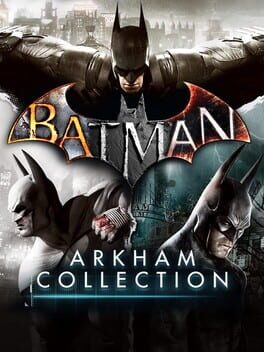
100Batman: Arkham Collection
 100
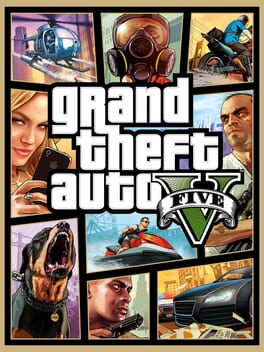
100Grand Theft Auto V
 100
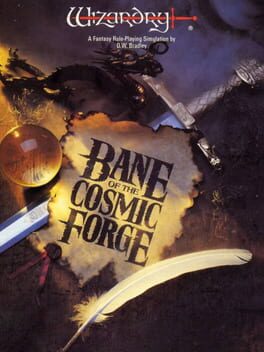
100Wizardry: Bane of the Cosmic Forge
 100
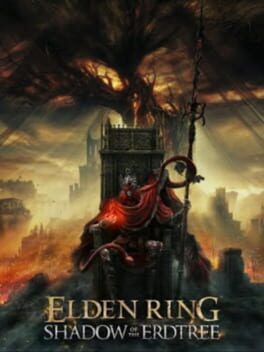
100Elden Ring: Shadow of the Erdtree Edition
 100
100The Legend of Zelda: Breath of the Wild - Nintendo Switch 2 Edition
 100
100Bloodborne: Complete Edition Bundle
 100
100The Legend of Zelda: Tears of the Kingdom - Nintendo Switch 2 Edition
 100
100Tobal 2
 100
100Bloodborne: The Old Hunters Edition
 100
100Arcade Spirits: The New Challengers
 100
100Portal: Companion Collection
 100
100Dawnfolk
 100
100Warhammer 40,000: Rogue Trader - Void Shadows
 100
100Ghost Town
 100
100Saints Row IV: Super Dangerous Wad Wad Edition (aka the Million Dollar Pack)
 99
99Undertale Yellow
 99
99Goblin Sword
 99
99Kingdom Hearts II Final Mix+
 99
99Terraria: Calamity Mod
 99
99Pixadom
 99
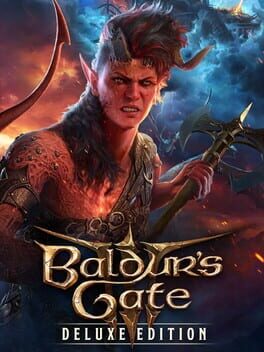
99Baldur's Gate 3: Digital Deluxe Edition
 98
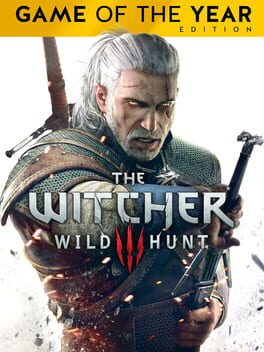
98The Witcher 3: Wild Hunt - Game of the Year Edition
 98
98Umineko no Naku Koro ni Chiru
 98
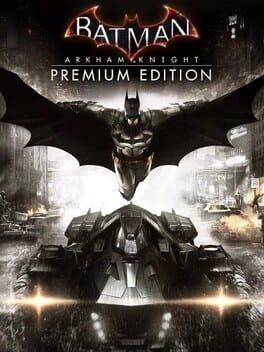
98Batman: Arkham Knight - Premium Edition
 98
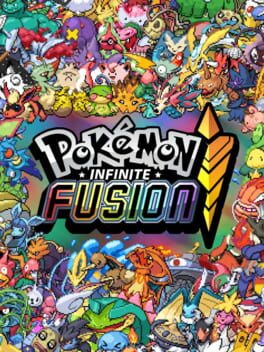
98Pokémon Infinite Fusion
 98
98Ena: Dream BBQ
 98
98Alone in the Dark: The New Nightmare
 98
98OneShot: World Machine Edition
 98
98Love Eternal
 98
98The Talos Principle II: Road to Elysium
 97
97Animal Company
 97
97Lurkers
 97
97Jurassic Park
 97
97Dig Island
 96
96Super Mario World
 96
96The Legend of Zelda: A Link to the Past
 96
96Super Metroid
 96
96Star Control II
 96
96Castlevania Advance Collection
 96
96Fate/Hollow Ataraxia
 96
96The Witness
 96
96Stargate SG-1: Unleashed - Episode 1
 96
96Assassin's Creed III: Deluxe Edition
 96
96Tom Clancy's Ghost Recon: Breakpoint - Red Patriot
 96
96Shadow Warrior 3: Definitive Edition
 95
95The Legend of Zelda: Breath of the Wild
 95
95Elden Ring
The LucasArts Legacy and Its Successors
The golden age of point-and-click adventure games in the late 1980s and 1990s produced titles that remain entertaining today: The Secret of Monkey Island, Day of the Tentacle, Grim Fandango, Sam & Max Hit the Road. LucasArts in particular developed a design philosophy — no fail states, logical but inventive puzzles, sharp writing — that distinguished their games from competitors and established standards that modern adventure developers still reference.
The tradition continues through Double Fine Productions (Ron Gilbert, Tim Schafer's original home) with games like Broken Age and Psychonauts (which, while a platformer, carries much of adventure gaming's DNA). Wadjet Eye Games has published acclaimed modern point-and-click adventures including the Blackwell series and Unavowed. Day of the Tentacle Remastered, Grim Fandango Remastered, and Full Throttle Remastered brought the LucasArts classics to modern platforms with visual updates while preserving original gameplay.
Disco Elysium and the CRPG-Adventure Hybrid
Disco Elysium (2019, expanded in 2021) represents one of the most distinctive genre innovations of recent gaming. The game eliminates combat almost entirely, replacing it with skill checks across 24 different internal voices that constitute the player character's fragmented psyche. The result is closer to a dialogue-heavy adventure game or interactive novel than a traditional CRPG, yet its systems depth and role-playing flexibility exceed most games that use the RPG label straightforwardly.
The game's writing — world-building, character work, political philosophy, dark comedy — set a new benchmark for what text-heavy games could achieve. It remains essential for any player interested in what games can do with words.
Narrative Games and the Walking Simulator
What Remains of Edith Finch (2017) remains the touchstone for narrative-first games that shed traditional puzzle mechanics. The game tells family stories through environmental vignettes, each using a different interactivity model to match the story being told. Its critical reception — near-unanimous praise, multiple Game of the Year recognitions — established that games prioritising experience and atmosphere over challenge could be considered among the best of their year.
Firewatch, Gone Home, and Tacoma each explored similar territory from different angles. The walking simulator label, initially used dismissively, has been reclaimed as descriptive — these games walk you through a story, which turns out to be a legitimate and sometimes very effective way to tell one.
Return of the Obra Dinn and Puzzle-Investigation Adventures
Return of the Obra Dinn from Lucas Pope is perhaps the best pure mystery-puzzle game ever made: you're given an insurance investigator's task of determining the fate of each crew member of a ghost ship, using a device that reveals the final moment of each death. The game never tells you whether a deduction is correct — you work toward certainty by cross-referencing observations, voices, and visual evidence until you're confident enough to commit.
The critical reception (94 Metacritic) reflects what happens when a designer commits completely to a single idea and executes it flawlessly. The success of Obra Dinn and other investigation adventures has demonstrated appetite for demanding, non-combat puzzle design in a commercially viable package.
Pentiment and the Literary Adventure
Obsidian's Pentiment (2022) demonstrated that adventure game design — investigation, dialogue, consequence — could be applied to intensely specific historical settings with extraordinary results. Set in a Bavarian town across three 25-year time periods in the early 16th century, the game's manuscript illumination art style and its engagement with the period's religious, social, and intellectual tensions produced a critical reception that placed it among the most distinctive games of its year.
Pentiment's success under Xbox's ownership showed that Microsoft's studio acquisitions weren't confined to action RPGs and shooters — that Obsidian's range extended to games with virtually no combat that required players to sit with historical context and moral ambiguity across hours of reading and choice-making.
Alan Wake 2 and the Narrative Action-Adventure
Remedy Entertainment's Alan Wake 2 (2023, 89 Metacritic) blurred the line between adventure game and action game in ways that produced one of the most critically acclaimed releases of the year. The game's two-protagonist structure, its metafictional engagement with the nature of storytelling, and its willingness to use live-action sequences and a full musical number within gameplay made it unlike any previous Remedy game and unlike most games period. Adventure game sensibilities — the emphasis on narrative immersion, environmental storytelling, and mystery — drove a game that also had third-person shooter mechanics.
Remedy's trajectory — Control, Alan Wake 2 — represents an approach to narrative game design that is difficult to categorise cleanly but clearly resonates with both critics and players who want something with genuine artistic ambition.
The Point-and-Click Revival
The adventure game genre was widely declared dead in the mid-2000s but has been in continuous healthy production since the 2010s. Kickstarter campaigns revived several beloved series; new developers emerged who grew up playing the LucasArts classics. The Forgotten City (converted from a Skyrim mod to a standalone game, winning a BAFTA for its time-loop investigation design), Pentiment, and Heaven's Vault show that the adventure genre's core concerns — exploration, dialogue, world-building, environmental mystery — remain compelling regardless of whether mechanics use inventory puzzles or something more experimental.
Browse our adventure games collection on pcforest.net by rating — the genre's all-time output has been exceptionally strong, and sorting by critic score surfaces titles that reviewers found most distinctive and well-executed across decades of the format.