PC Games
PC gaming is the largest, most diverse gaming platform on the planet, with over 124,000 titles available across Steam, GOG, Epic, and independent stores as of 2026. The combination of unrestricted hardware upgrades, decades of back-catalogue access, and a thriving indie scene makes PC the platform of choice for players who want the widest possible selection. Whether you're chasing benchmark-pushing AAA releases or hunting obscure game jam gems, no other platform comes close to what PC offers.
 100
100Batman: Arkham Collection
 100
100Wizardry: Bane of the Cosmic Forge
 100
100Blood on the Clocktower
 100
100Resonite
 100
100Bubsy 3D: Bubsy Visits the James Turrell Retrospective
 100
100Silly Survivors
 100
100Arches
 100
100Mass Effect: Genesis 2
 100
100Droplitz
 100
100Rocket Riot
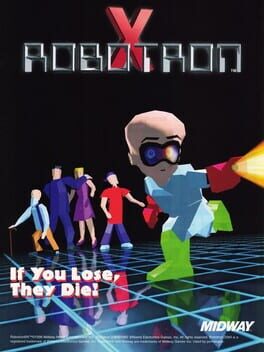 100
100Robotron X
 100
100Trainz Railroad Simulator 2004
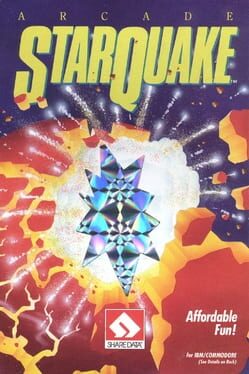 100
100Starquake
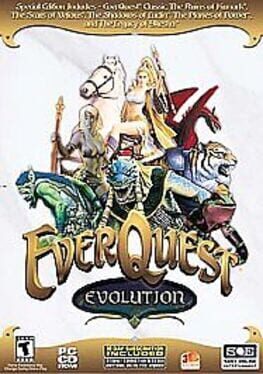 100
100EverQuest: Evolution
 100
100Motor City Online
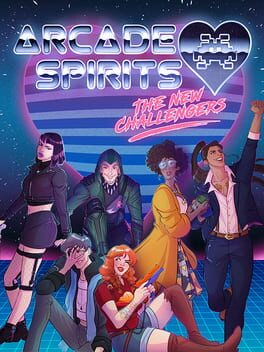 100
100Arcade Spirits: The New Challengers
 100
100Blake: The Visual Novel
 100
100Viticulture: Essential Edition - Tuscany Expansion
 100
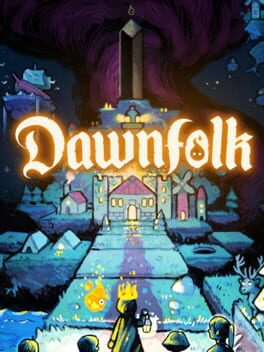
100Dawnfolk
 100
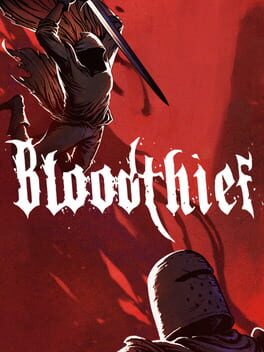
100Bloodthief
 100
100Vampire Survivors: Emergency Meeting
 100
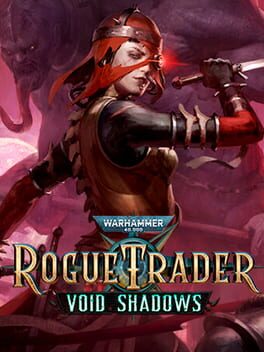
100Warhammer 40,000: Rogue Trader - Void Shadows
 100
100Fatal Fury: City of the Wolves - Special Edition
 100
100Saints Row IV: Super Dangerous Wad Wad Edition (aka the Million Dollar Pack)
 100
100Planet Zoo: Aquatic Pack
 99
99American Chopper
 99
99Undertale Yellow
 99
99San Andreas Multiplayer
 99
99Lizards Must Die
 99
99Anstoss 3
 99
99Adastra
 99
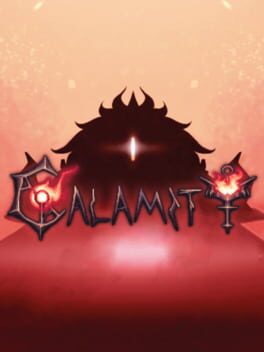
99Terraria: Calamity Mod
 99
99Angband
 99
99Dr. Robotnik's Ring Racers
 99
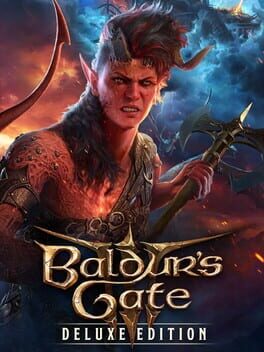
99Baldur's Gate 3: Digital Deluxe Edition
 99
99SIGame
 99
99Deluxe Ski Jump 2
 98
98The Witcher 3: Wild Hunt - Game of the Year Edition
 98
98Umineko no Naku Koro ni Chiru
 98
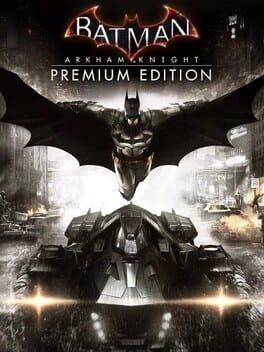
98Batman: Arkham Knight - Premium Edition
 98
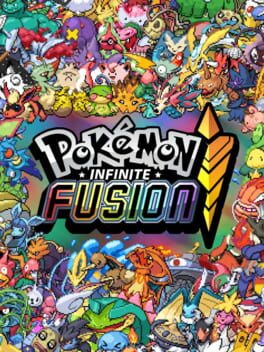
98Pokémon Infinite Fusion
 98
98Ena: Dream BBQ
 98
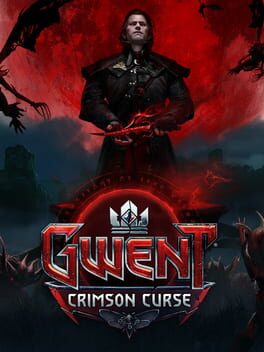
98Gwent: Crimson Curse
 98
98Streets of Rage Remake
 98
98Alone in the Dark: The New Nightmare
 98
98OneShot: World Machine Edition
 98
98ITGmania
 98
98Chicken Derby
The Scale of PC Gaming in 2026
The numbers are difficult to fully comprehend. Steam alone catalogues 124,937 games as of early 2026, having added 18,691 new titles in 2024 — an average of 51 games every single day. The platform reached 42 million concurrent users in January 2026, with 132 million monthly active users generating $16.2 billion in revenue through November 2025. These aren't just statistics about a storefront; they describe an ecosystem larger than most entertainment industries.
Indie games dominate the catalogue by volume, with 61,295 titles on Steam making it the single largest category, followed by action games at 50,012. But sheer count doesn't tell the full story. The breakout critical and commercial hits of recent years have come from across the spectrum — from Larian Studios' Baldur's Gate 3, developed by a mid-sized Belgian team, to single-developer phenomena like Undertale and Vampire Survivors.
2025 and 2026: A Remarkable Run of Quality
The quality of PC releases over the past two years has been exceptional by any historical measure. In 2025, Clair Obscur: Expedition 33 from Sandfall Interactive won the Game of the Year award at The Game Awards, a stunning achievement for a debut studio. Kingdom Come: Deliverance 2 became one of the most talked-about RPGs of the year, while Avowed delivered Obsidian's long-awaited answer to the Skyrim comparison. Split Fiction, from the developers behind It Takes Two, continued Hazelight Studios' remarkable streak of acclaimed co-op games.
Blue Prince was perhaps the most surprising critical success of 2025 — a genre-defying roguelike puzzle game that earned the highest aggregated review score of the year. Hollow Knight: Silksong, after years as the most anticipated game in the indie space, finally released to 128,171 Steam reviews, validating every year of anticipation.
2026 has continued the momentum. Monster Hunter Wilds sold over 8 million copies, cementing Capcom's flagship franchise as a genuine mainstream phenomenon. ARC Raiders won Best Multiplayer at The Game Awards with 8 million copies sold, and Big Hops became an early critical favourite.
Why PC Remains the Hardware Ceiling
Every console generation is frozen at launch. The PlayStation 5 or Xbox Series X that launched in 2020 runs the same hardware today as it did at release. A PC, by contrast, can accept a new graphics card, more RAM, or a faster storage drive at any point — meaning a high-end PC gaming experience in 2026 looks substantially different from a mid-range one, and both look different from a gaming laptop. Games on PC can be played at resolutions up to 8K, with uncapped framerates, and with technical options that simply don't exist on consoles.
This also means PC accommodates every budget tier. Indie games and older titles run beautifully on modest hardware. The deep sale culture across Steam, GOG, and Epic means patient buyers can build libraries of hundreds of games for surprisingly little money. Humble Bundle and bundle sites layer further value on top of storefront discounts.
Modding, Mods, and Longevity
No other platform has modding culture comparable to PC. Games like The Elder Scrolls V: Skyrim remain actively played more than a decade after release because the community has produced tens of thousands of modifications — new quests, visual overhauls, gameplay systems, and total conversions that effectively create new games from existing engines. The same is true of Grand Theft Auto V, which has been on the Steam best-seller charts for years partly because its modding and role-play server community keeps creating new reasons to play.
The availability of fan-made patches, community-developed ports, and unofficial compatibility fixes also means older PC games stay playable longer than their console equivalents. A game from 2003 might require some configuration to run on a modern Windows machine, but in most cases it's achievable — something that can't be said of physical media from older PlayStation or Xbox generations without specific hardware.
The Competitive Gaming Scene on PC
PC gaming hosts the most competitive gaming ecosystem on any platform. Counter-Strike 2, Valorant, League of Legends, and Dota 2 each run massive esports circuits with prize pools that reach into the tens of millions. These games are PC-first or PC-exclusive by design — the precision of mouse and keyboard input, lower latency peripherals, and high-refresh-rate monitors create a ceiling of mechanical performance that controllers don't match. If competitive gaming at any level interests you, PC is where the ecosystem lives.
Beyond the top esports titles, PC also hosts the most active modding and custom game communities. Counter-Strike's map pool began in community workshops. DotA itself started as a Warcraft III custom map. The culture of PC gaming has consistently produced the next generation of game design from within its communities.
The PC Upgrade Path and Long-Term Value
The total cost of PC gaming is often misunderstood. A high-end gaming PC costs more upfront than any console — but the comparison should be made over time. A GPU bought in 2021 still runs most 2025 games at high settings when paired with adequate other components. A PC doubles as a productivity machine, reducing the effective gaming cost. Storefronts don't region-lock purchases the way console digital libraries do. And when you eventually upgrade, games you bought five years ago install and run on the new hardware without any transfer restrictions.
Steam Deck changed the PC gaming landscape meaningfully in 2022 by making the PC library portable without compromise. Running SteamOS on custom AMD hardware, the Deck proved that PC gaming doesn't require a desk — and that the library accumulated over years of PC ownership travels everywhere the hardware does.
Browsing PC Games on pcforest.net
Our PC games database draws ratings from IGDB, which aggregates critic reviews rather than user scores. This makes the ratings more stable and less susceptible to review-bombing or community controversies. Sorting by rating gives you a list grounded in critical consensus; filtering by year lets you explore what was considered excellent in a specific period; genre filters narrow the results to the type of experience you're actually looking for.
The game cards link through to relevant storefronts, so when you find something worth buying, the path from discovery to purchase is direct. Use the platform filters to see which titles are available on Steam, Epic, or GOG — many games appear on multiple storefronts at different price points, and checking before you buy can save meaningful money on new releases.