Epic Games Store
The Epic Games Store has established itself as PC gaming's second major storefront through an aggressive combination of free game giveaways, developer-friendly revenue splits, and high-profile timed exclusives. In 2025, players downloaded 662 million free games through Epic's weekly program, while paying users spent $1.16 billion — a 6% year-over-year increase demonstrating genuine commercial traction beyond the freebies.
 100
100Vampire Survivors: Emergency Meeting
 100
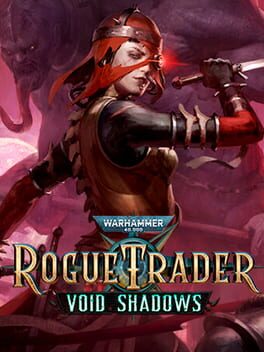
100Warhammer 40,000: Rogue Trader - Void Shadows
 100
100Fatal Fury: City of the Wolves - Special Edition
 98
98The Witcher 3: Wild Hunt - Game of the Year Edition
 98
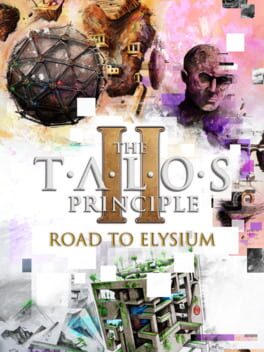
98The Talos Principle II: Road to Elysium
 96
96Headquarters World War II
 96
96Pinball M
 95
95Outer Wilds: Archaeologist Edition
 95
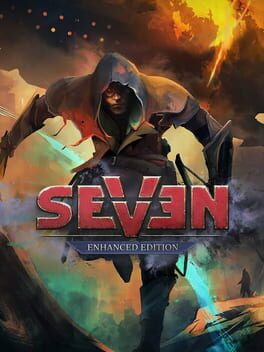
95Seven: Enhanced Edition
 95
95Read Only Memories: Neurodiver
 95
95Henchman Story
 95
95Ash of Gods: The Way
 95
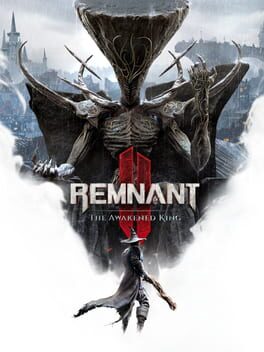
95Remnant II: The Awakened King
 95
95Vampire Survivors: Operation Guns
 95
95Vampire Survivors: Ode to Castlevania
 94
94Red Dead Redemption 2
 94
94God of War
 94
94Batman: Arkham City - Game of the Year Edition
 94
94The Binding of Isaac: Repentance
 94
94Discounty
 93
93The Witcher 3: Wild Hunt
 93
93Mass Effect 2
 93
93Disco Elysium: The Final Cut
 93
93Heroes of Might and Magic III: Complete
 93
93Death Stranding 2: On the Beach
 93
93Grindstone
 93
93Palia: The Elderwood
 92
92Cyberpunk 2077: Phantom Liberty
 92
92The Witcher 3: Wild Hunt - Complete Edition
 92
92Kingdom Come: Deliverance II
 92
92Cyberpunk 2077: Ultimate Edition
 92
92IL-2 Sturmovik: 1946
 92
92The Binding of Isaac: Repentance
 92
92Rain World: Downpour
 92
92RoadCraft
 92
92Fuga: Melodies of Steel 2
 92
92Seven Knights Re:Birth
 92
92Xenotilt: Hostile Pinball Action
 92
92Shadow Gambit: Zagan's Ritual
 91
91Red Dead Redemption
 91
91Hades
 91
91Disco Elysium
 91
91Fallout 3: Game of the Year Edition
 91
91Split Fiction
 91
91Hades II
 91
91The Elder Scrolls V: Skyrim - Anniversary Edition
 91
91Doom
 91
91Atom RPG
The Free Games Program: Scale and Value
Epic's free game program is the most generous in gaming history by any measure. In 2025, 662 million free games were downloaded through the program across approximately 100 individual titles. The selection included Kingdom Come: Deliverance, Hogwarts Legacy, Deathloop, and LEGO Star Wars: The Skywalker Saga — titles that sold for $40-70 at launch, available permanently at no cost simply by claiming them during their weekly window.
2026 has continued the pace: by early 2026, Epic had already given away over $540 worth of games in free title value. For a player who consistently claims weekly free games, the accumulated library value over two or three years of participation reaches into the thousands of dollars. This has been Epic's most effective tool for expanding its registered user base and giving people a reason to return to the launcher regularly.
Revenue Split and Developer Relations
Epic's 88/12 revenue split — developers keep 88% of each sale — compared to Steam's 70-75% (sliding scale based on lifetime revenue) was Epic's initial pitch to publishers and developers when the store launched. The difference has attracted genuine consideration from studios, particularly smaller developers for whom the margin difference is significant across a full sales cycle.
This has been most effective at the indie and mid-tier level. Major publishers have their own calculations around Steam's install base and community features, but a solo developer or small team sees real money in the improved split. Epic has also offered minimum guarantee deals to some studios, providing financial security for timed exclusivity arrangements.
The Catalogue: 6,000+ Games and Growing
Epic's catalogue of 6,000+ games is smaller than Steam's 124,000+ but covers most major releases and a growing number of quality indie titles. The Epic store lacks user reviews — a deliberate decision that has been both praised (no review-bombing) and criticised (less community signal for buyers) — but IGDB critic ratings, as shown on pcforest.net, fill some of that gap for evaluating quality.
Fortnite, Epic's own flagship game, remains one of the most-played games on the planet and is the financial engine that makes the free game program sustainable. The revenues from Fortnite's cosmetic sales and battle pass fund Epic's ability to subsidise the storefront and its various player-friendly initiatives.
Timed Exclusives and the Epic Window
Epic's timed exclusivity deals — typically six months to a year before a game launches on Steam — have been controversial among PC players who prefer Steam's ecosystem. From a practical standpoint, if you want to play a game at launch rather than waiting, you sometimes need to use Epic. The affected games have generally arrived on Steam after the exclusivity window with no permanent disadvantage.
The exclusivity strategy has wound down somewhat compared to Epic's aggressive early years — fewer high-profile deals are being announced as Epic shifts focus toward catalog growth and quality initiatives. Most major 2025-2026 releases have launched simultaneously on multiple storefronts.
Epic's Own Games: Fortnite and Rocket League
Epic's internal studios have produced two of the most-played games on any platform. Fortnite remains one of the top five most-played games globally more than seven years after its Battle Royale mode launched. Its seasonal content model — each season bringing new map changes, weapons, mechanics, and collaboration with film and music properties — has kept its playerbase engaged through multiple gaming generations. The Creative mode within Fortnite has become a platform in its own right, with community-built experiences drawing millions of players to non-battle-royale modes.
Rocket League, acquired when Epic bought Psyonix in 2019 and made free-to-play in 2020, has built one of gaming's most dedicated competitive communities around its car-meets-football concept. The esports scene features professional players earning six-figure salaries for what is, mechanically, one of the deepest competitive games available on any platform.
Practical Advantages of the Epic Store
Epic's cloud save support, controller support, and basic library management are competent if not as feature-rich as Steam. The store's coupons — periodic discounts of $10-25 off purchases above a threshold — occasionally beat Steam pricing, particularly at launch. Epic's 2024-2025 improvements to the launcher reduced the feature gap with Steam considerably, and the client no longer carries the reputation for instability it had in its earliest years.
The 88/12 revenue split means that some developers publish on Epic either exclusively or first because the financial return per unit sold is meaningfully better than on Steam. For players, this occasionally means the first or only place to buy a specific game — and for games that later arrive on Steam, the Epic version often carries a lower initial price during the exclusivity window due to Epic's periodic coupons and sale events.
Browsing the Epic Games Store titles on pcforest.net shows the same IGDB-sourced ratings used across all storefronts, making direct quality comparisons between EGS-available and Steam-available titles straightforward. The free games catalogue, which has given away $540+ worth of titles already in 2026 alone, is worth checking weekly for any serious PC gamer.