Open World Games
Open world games give players a landscape to inhabit on their own terms — where to go, what to do, and at what pace are all questions the game invites you to answer for yourself. Done well, this freedom produces experiences that feel genuinely personal, where the stories that emerge from your specific sequence of choices and discoveries differ from every other player's. Done poorly, it produces maps full of icons that substitute quantity of activities for quality of design.
 100
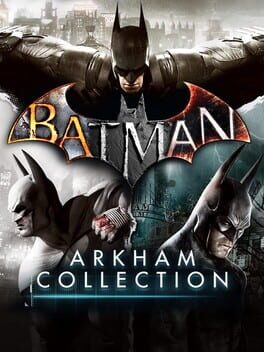
100Batman: Arkham Collection
 100
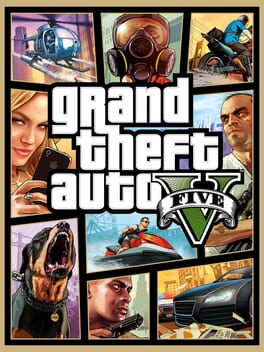
100Grand Theft Auto V
 100
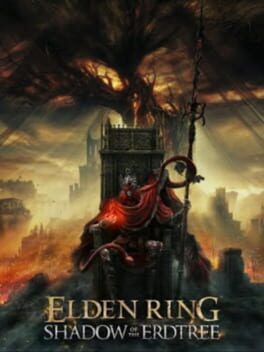
100Elden Ring: Shadow of the Erdtree Edition
 100
100Grand Theft Auto V: Story Mode
 100
100Oxide: Survival Island
 100
100The Legend of Zelda: Breath of the Wild - Nintendo Switch 2 Edition
 100
100The Legend of Zelda: Tears of the Kingdom - Nintendo Switch 2 Edition
 100
100Bloodborne: The Old Hunters Edition
 100
100Saints Row IV: Super Dangerous Wad Wad Edition (aka the Million Dollar Pack)
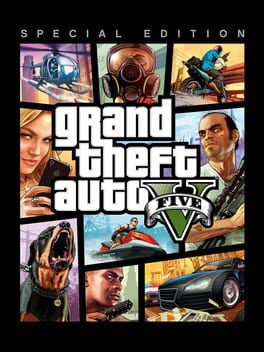 99
99Grand Theft Auto V: Special Edition
 99
99Terraria: Calamity Mod
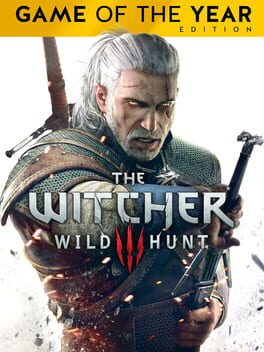 98
98The Witcher 3: Wild Hunt - Game of the Year Edition
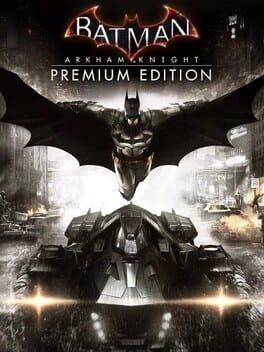 98
98Batman: Arkham Knight - Premium Edition
 97
97Lurkers
 97
97Voices of the Void
 96
96Polity
 96
96Geotastic
 96
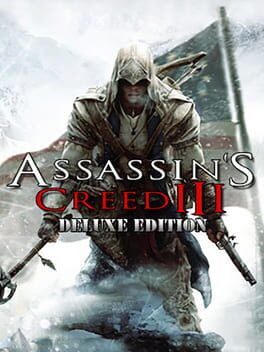
96Assassin's Creed III: Deluxe Edition
 96
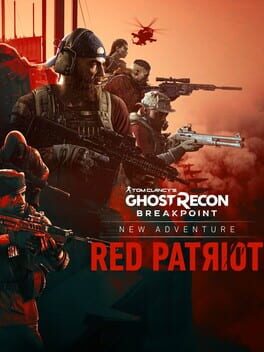
96Tom Clancy's Ghost Recon: Breakpoint - Red Patriot
 95
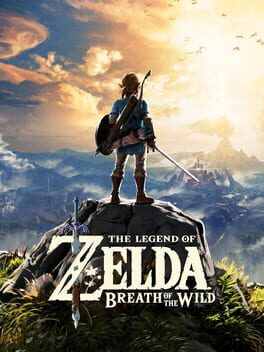
95The Legend of Zelda: Breath of the Wild
 95
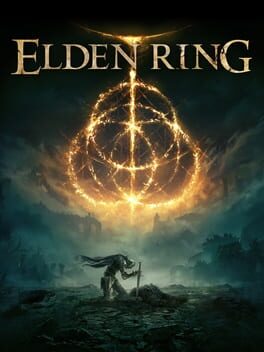
95Elden Ring
 95
95Final Fantasy III
 95
95Hunter Moonstrike
 95
95The Elder Scrolls IV: Oblivion - Game of the Year Edition Deluxe
 95
95Final Fantasy XIV: Complete Edition
 95
95Outer Wilds: Archaeologist Edition
 95
95Seven: Enhanced Edition
 94
94Red Dead Redemption 2
 94
94Metroid Prime
 94
94The Legend of Zelda: Tears of the Kingdom
 94
94The Witcher 3: Wild Hunt - Blood and Wine
 94
94World of Warcraft: Wrath of the Lich King
 94
94Batman: Arkham City - Game of the Year Edition
 94
94Sekiro: Shadows Die Twice - Game of the Year Edition
 93
93The Witcher 3: Wild Hunt
 93
93Super Mario Odyssey
 93
93God of War Ragnarök
 93
93Death Stranding 2: On the Beach
 93
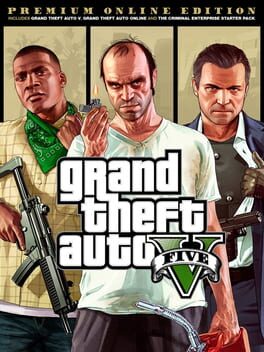
93Grand Theft Auto V: Premium Online Edition
 93
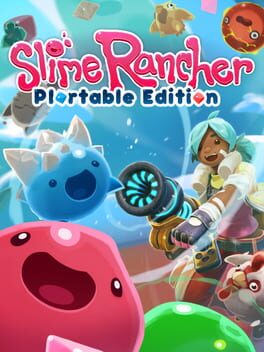
93Slime Rancher: Plortable Edition
 93
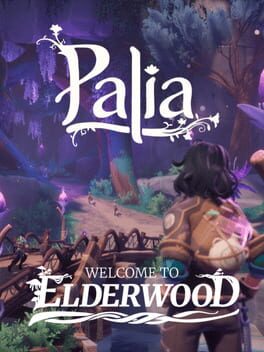
93Palia: The Elderwood
 92
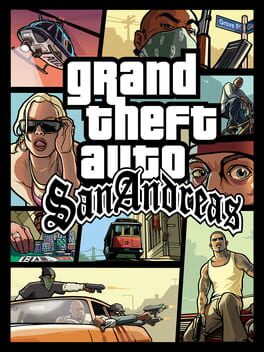
92Grand Theft Auto: San Andreas
 92
92The Legend of Zelda: Ocarina of Time
 92
92Star Wars: Knights of the Old Republic
 92
92Chrono Trigger
 92
92Castlevania: Symphony of the Night
 92
92The Witcher 3: Wild Hunt - Hearts of Stone
 92
92S.T.A.L.K.E.R. G.A.M.M.A.
What Separates Good Open Worlds from Large Maps
A large map filled with icons and activities is not the same as a great open world. The distinction is between space that rewards exploration and space that simulates reward through repetitive tasks. The best open world games — The Legend of Zelda: Breath of the Wild, Elden Ring, Red Dead Redemption 2, Morrowind — make the world itself feel meaningful, where exploration yields environmental storytelling, unexpected encounters, and the satisfaction of finding things the game didn't direct you toward.
Elden Ring (2022, 96 Metacritic) represents the most critically successful open world design of the decade by most measures. FromSoftware's approach — a world built to be discovered rather than guided through, with legacy dungeons that represent some of the most accomplished level design in the medium embedded within a vast overworld — produced a game where player community discovery ("let's figure out what this item does") became a central part of the experience.
Monster Hunter Wilds and the Open World Action RPG
Monster Hunter Wilds (2026) sold over 8 million copies and extended Capcom's vision of the open world as a functioning ecosystem where the player is a hunter inserted into a living world rather than a protagonist around whom the world orbits. The monster behaviours, the environmental cycles, the interconnection of the food chain — these create a world that feels like it operates independently of player input, which is the aspiration of systemic open world design made manifest.
The original Monster Hunter: World (2018) had demonstrated the commercial viability of this approach; Wilds expanded it further, validating the open world action RPG as one of gaming's most commercially reliable formats when the world design is taken seriously.
The Ubisoft Open World Problem
The term "Ubification" entered gaming discourse as a criticism of open worlds that substitute density of activities for quality of design. Viewpoints that reveal map icons, side missions that follow identical templates, and collectibles spread across every corner of the map without narrative context became associated with a specific kind of open world that prioritises completion time over the quality of individual moments.
The better Ubisoft entries — Assassin's Creed Origins, Far Cry 4, The Division 2 in its late state — demonstrate that the template can produce genuinely enjoyable games when the base mechanics are strong enough. The criticism remains useful because it points toward a real design failure mode: large worlds that feel hollow rather than inhabited.
Red Dead Redemption 2's Environmental Storytelling
Rockstar's Red Dead Redemption 2 (2018, 97 Metacritic) remains the most cited example of open world environmental storytelling done right. The world contains hundreds of scripted encounters that trigger based on proximity and circumstances — a stranger whose horse died, a man trapped under a fallen tree, a woman in danger, a crime in progress — that play once per save file and create a sense that the world is full of stories happening independently of the player. The weather, animal behaviour, and NPC schedules create a simulacrum of a living frontier that no other open world has quite matched.
Palworld and Valheim: Different Open World Visions
Palworld, which sold 25 million copies within its first year, combined Pokémon-like creature collecting with survival crafting and base-building mechanics in an open world setting. The combination proved commercially explosive and demonstrated that open world survival games can absorb non-traditional genre influences when the execution is competent.
Valheim, Norse mythology-themed survival sandbox, built its open world through procedural generation and a biome progression structure that creates a directed experience within an unpredictable world. The multiplayer cooperative dimension — building shared bases, tackling biome bosses together — added social memory to exploration in ways that single-player open worlds can't replicate.
Cyberpunk 2077's Redemption Arc
CD Projekt RED's Cyberpunk 2077 is the most dramatic product rehabilitation in recent open world gaming. The December 2020 launch was met with refunds, console delisting, and the sharpest user review collapse for a major release in years — the game was unplayable on last-generation consoles and significantly rough on PC. Three years of patches, the 2.0 overhaul, and the Phantom Liberty expansion transformed it into one of the best open world RPGs of the current generation, with a peak concurrent Steam playerbase in 2023 that exceeded the chaotic launch period.
Night City as a setting — the level of environmental detail, the density of ambient storytelling in the world's design, the way different districts have distinct architectural and social characters — has been cited by critics as some of the best open world environment design ever created regardless of the game's troubled history. The lesson from Cyberpunk 2077 is that a spectacular world can survive a bad launch given enough time and development commitment, but the cost is years of reputational damage that many players never reassess.
Ghost of Tsushima and the Curated Open World
Sucker Punch's Ghost of Tsushima (2020) was widely praised for offering a beautiful open world without overwhelming the player with icons and tasks. The game's guiding wind mechanic — pressing a button causes the wind to blow in the direction of your current objective — was noted as an elegant alternative to waypoint markers that kept players looking at the environment rather than a minimap. The sequel, Ghost of Yotei (2025), follows this philosophy into a new setting with a new protagonist, extending the series' reputation for environmentally authentic Japanese settings.
Browsing Open World Games
Open world games are among the most time-intensive in any catalogue — the best examples provide 60-100+ hours of content. The ratings in our open world collection on pcforest.net reflect critical consensus about quality rather than scale; sorting by rating surfaces the titles that made the most of their scope rather than those that merely achieved impressive size. The combination of year and rating filters is particularly useful here — open world design has improved substantially since the early 2010s, and sorting recent high-rated entries shows what the format is capable of at its current best.