PlayStation Games
PlayStation has defined console gaming's creative ambitions for over three decades, producing some of the most critically celebrated exclusive franchises in the medium's history. Sony's first-party studios — Naughty Dog, Santa Monica Studio, Housemarque, Insomniac Games, and others — operate at a level of production quality and narrative ambition that sets a consistent benchmark. The PS5 generation has continued this tradition while opening new creative directions that suggest the platform's best work may still be ahead.
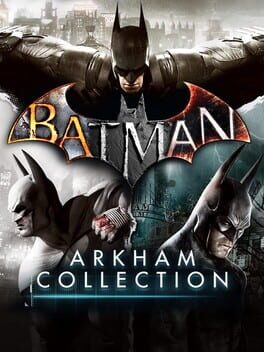 100
100Batman: Arkham Collection
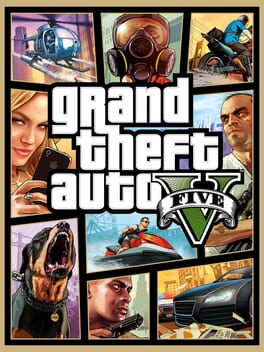 100
100Grand Theft Auto V
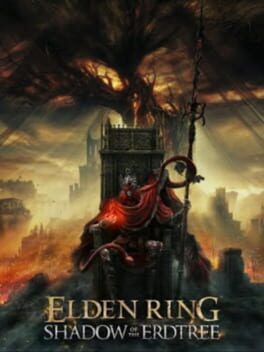 100
100Elden Ring: Shadow of the Erdtree Edition
 100
100Grand Theft Auto V: Story Mode
 100
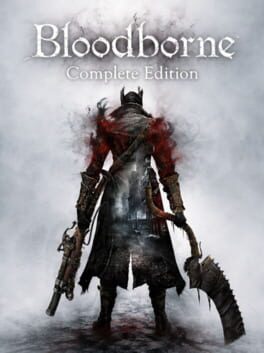
100Bloodborne: Complete Edition Bundle
 100
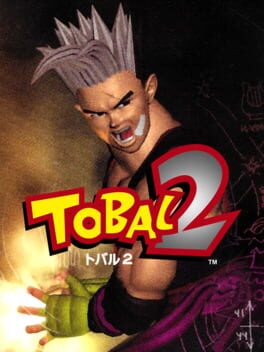
100Tobal 2
 100
100Mass Effect: Genesis 2
 100
100Bloodborne: The Old Hunters Edition
 100
100Droplitz
 100
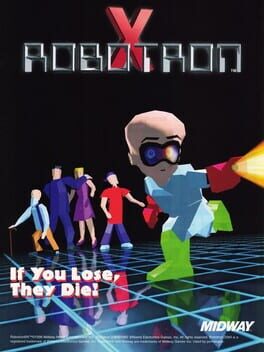
100Robotron X
 100
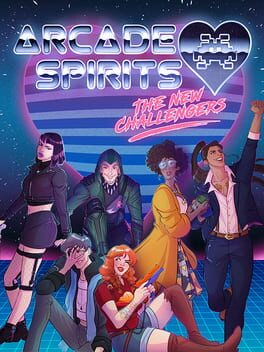
100Arcade Spirits: The New Challengers
 100
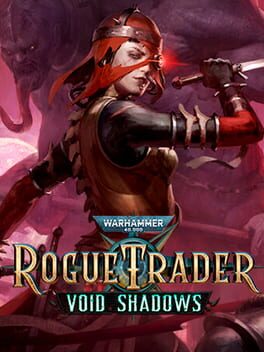
100Warhammer 40,000: Rogue Trader - Void Shadows
 100
100Fatal Fury: City of the Wolves - Special Edition
 100
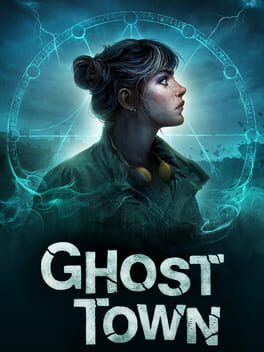
100Ghost Town
 100
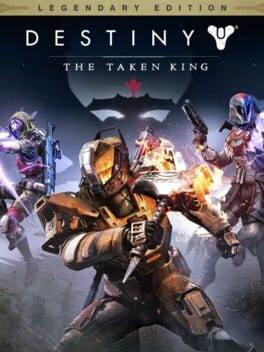
100Destiny: The Taken King - Legendary Edition
 100
100Saints Row IV: Super Dangerous Wad Wad Edition (aka the Million Dollar Pack)
 99
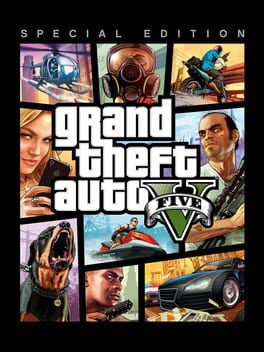
99Grand Theft Auto V: Special Edition
 99
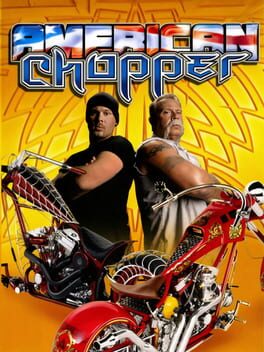
99American Chopper
 99
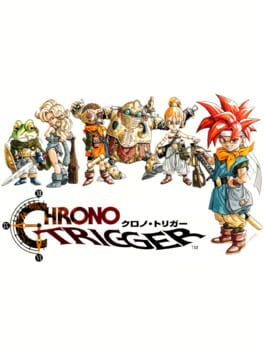
99Chrono Trigger
 99
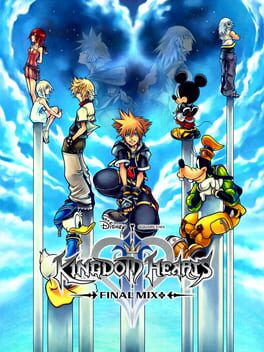
99Kingdom Hearts II Final Mix+
 99
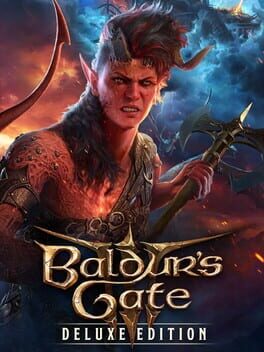
99Baldur's Gate 3: Digital Deluxe Edition
 98
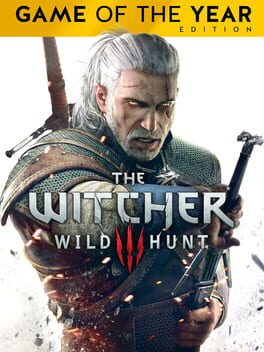
98The Witcher 3: Wild Hunt - Game of the Year Edition
 98
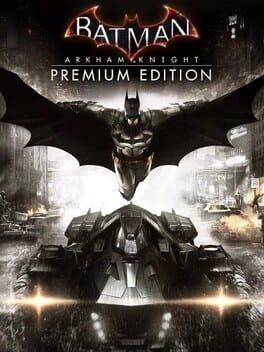
98Batman: Arkham Knight - Premium Edition
 98
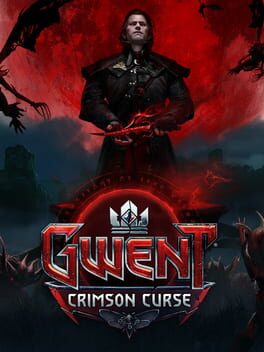
98Gwent: Crimson Curse
 98
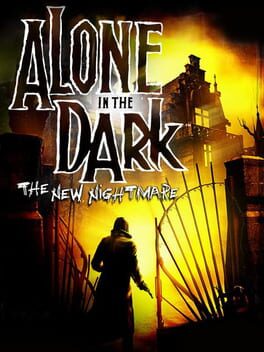
98Alone in the Dark: The New Nightmare
 98
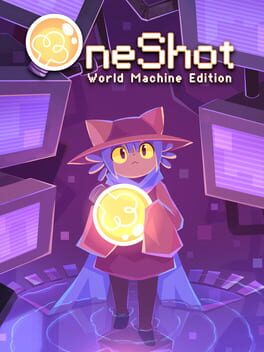
98OneShot: World Machine Edition
 98
98Love Eternal
 98
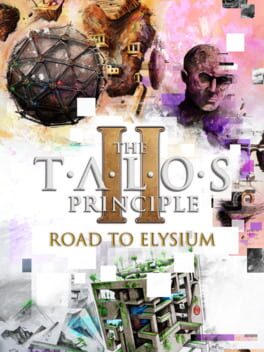
98The Talos Principle II: Road to Elysium
 98
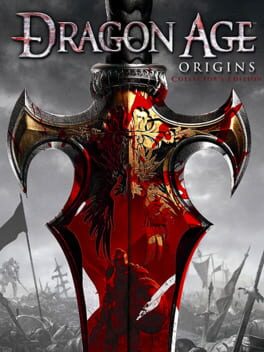
98Dragon Age: Origins Collector's Edition
 97
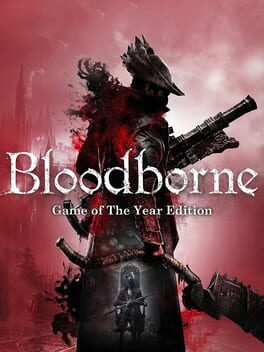
97Bloodborne: Game of the Year Edition
 97
97Battlefield 3: Premium Edition
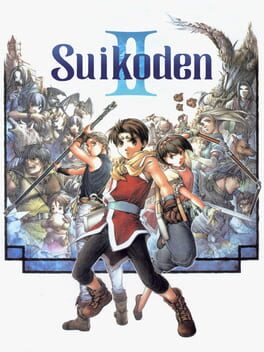 96
96Suikoden II
 96
96NHL 96
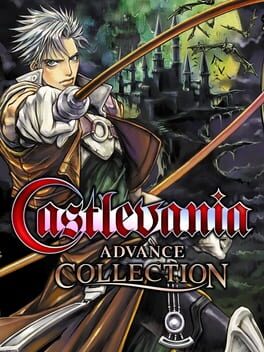 96
96Castlevania Advance Collection
 96
96Fate/Hollow Ataraxia
 96
96Yu-Gi-Oh! ARC-V Tag Force Special
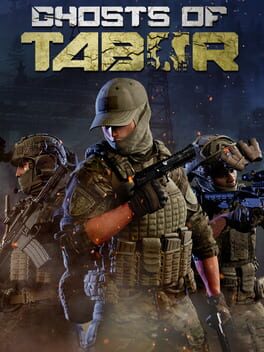 96
96Ghosts of Tabor
 96
96Mass Effect: Genesis
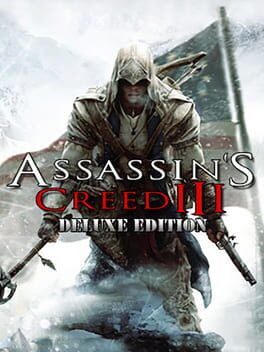 96
96Assassin's Creed III: Deluxe Edition
 96
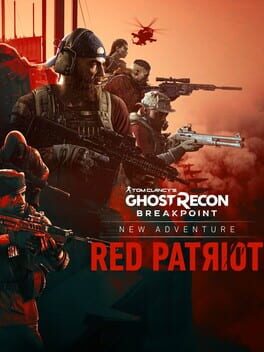
96Tom Clancy's Ghost Recon: Breakpoint - Red Patriot
 96
96Shadow Warrior 3: Definitive Edition
 96
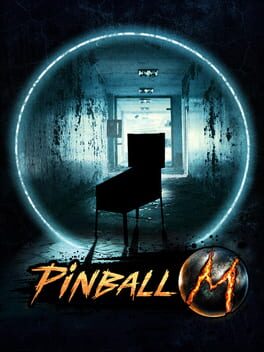
96Pinball M
 96
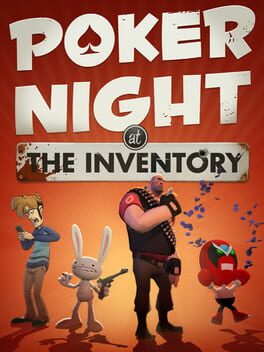
96Poker Night at the Inventory
 95
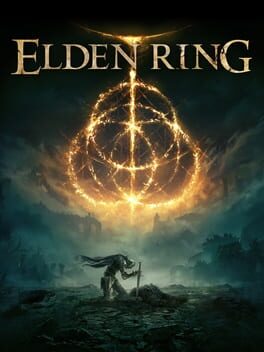
95Elden Ring
 95
95The Last of Us Remastered
 95
95Baldur's Gate III
 95
95Metal Gear Solid 3: Subsistence
 95
95Metal Gear Solid 3: Snake Eater - HD Edition
PlayStation's First-Party Excellence
The PS5 launched with Demon's Souls Remake, a technical showcase that demonstrated the console's capabilities while revisiting one of FromSoftware's most challenging titles with completely rebuilt visuals. That early signal — that Sony's platform would be home to technically ambitious, artistically distinctive games — has been borne out consistently across the generation.
Astro Bot, released in 2024, won Game of the Year at The Game Awards, a remarkable achievement for what might superficially appear to be a mascot platformer. The game's integration of PS5 hardware features — haptic feedback, adaptive triggers, speaker effects — into genuinely clever level design demonstrated that Sony's approach to hardware differentiation can translate into meaningful play experiences, not just marketing bullet points.
2025: A Year of Major Releases
2025 brought Ghost of Yotei, the follow-up to Sucker Punch's acclaimed Ghost of Tsushima, releasing in October to strong critical response. Metaphor: ReFantazio, while multiplatform, found a natural home on PS5 and became one of the most discussed RPGs of the year. The PlayStation platform continued to attract ambitious third-party releases with console-exclusive content or early access windows.
2026: An Exceptional Upcoming Slate
The near-term PlayStation calendar is genuinely compelling. Nioh 3 from Team Ninja launched to an 86 Metacritic score, extending the Soulslike RPG series that has been a consistent PS-platform highlight since the original Nioh in 2017. Housemarque's Saros — the follow-up to Returnal, one of the most distinctive PS5 exclusives — builds on the Finnish studio's expertise in arcade-style action with roguelike structure.
Marvel's Wolverine from Insomniac Games is targeting a September 2026 release, carrying enormous anticipation after Insomniac's acclaimed Spider-Man series. The studio's track record makes it one of the most anticipated PlayStation releases in years.
Why PlayStation Exclusives Carry Weight
The commercial logic of PlayStation exclusives has long been debated — why not release them on PC and sell to a larger audience? Sony has increasingly experimented with PC ports of previous-generation exclusives, but the core PS5 library remains platform-defining. When a studio builds for a single, known hardware configuration, the results can be technically optimised in ways that multiplatform development often doesn't allow.
This is visible in games like Ratchet & Clank: Rift Apart, which used the PS5's SSD speed to enable near-instantaneous dimension-switching that the game's design was built around. The Tempest 3D audio engine in PS5 provides a spatial sound experience that, with compatible headphones, changes how certain games feel to play. These aren't minor features; they're architectural decisions that make some games genuinely different on PS5 than anywhere else.
Sony's PC Port Strategy
Sony has progressively released PS4 and PS5 exclusives on PC, typically one to two years after their console debut. Horizon Zero Dawn, God of War, Spider-Man, Returnal, Ratchet & Clank: Rift Apart, and The Last of Us Part I have all received PC releases through Steam and Epic. This strategy lets Sony capture additional revenue from PC players while maintaining the PS5 as the platform for day-one access.
For players who primarily game on PC, this creates a delayed but legitimate path to PlayStation's exclusive output. The PC ports have generally been high quality — Nixxes Software, which Sony acquired in 2021, handles most ports and has built a strong reputation for delivering technically solid PC versions. The tradeoff is waiting: Ghost of Tsushima arrived on PC roughly a year after its PS4 launch; Ghost of Yotei will presumably follow a similar window.
The PlayStation Back Catalogue
The PS4 library, which pcforest.net also covers, contains several all-time classics that remain essential: God of War (2018), Marvel's Spider-Man, Bloodborne, Horizon Zero Dawn, Death Stranding, and The Last of Us Part II. These titles defined what console gaming looked like at Sony's best across the PS4 generation and remain fully playable on PS5 with performance enhancements.
PlayStation Plus's Extra and Premium tiers provide access to a rotating catalogue of hundreds of PS4 and PS5 games plus a growing archive of older titles spanning PS1, PS2, PS3, and PSP — a back-catalogue subscription model that competes with Game Pass in depth, particularly for players who want access to classic PlayStation history that isn't otherwise available digitally.
PlayStation Studios: The Creative Roster
Sony's first-party studio network is one of the most talent-dense in the industry. Naughty Dog (The Last of Us, Uncharted) has defined cinematic narrative gaming for two generations. Santa Monica Studio's God of War (2018) reinvented a decade-old franchise with new narrative depth and a combat system built from scratch. Guerrilla Games pivoted from the Killzone FPS series to the Horizon franchise, creating one of PlayStation's biggest new IPs with Horizon Zero Dawn and Forbidden West. Insomniac Games has produced Spider-Man, Spider-Man: Miles Morales, Ratchet & Clank: Rift Apart, and the upcoming Wolverine — a pace of high-quality output that few studios at any budget level match.
Housemarque, a Finnish studio Sony acquired in 2021 following Returnal's success, represents a different model: a smaller studio with a specific design philosophy (arcade-style action, high skill ceiling, roguelike structure) given resources to pursue that vision at full production quality. Saros, their follow-up to Returnal, is one of 2026's most anticipated PlayStation titles and will test whether the Housemarque formula scales to a second major release.
Browsing the PlayStation listings on pcforest.net by rating gives an honest picture of which exclusives actually delivered on their ambitions. The IGDB-sourced critic scores cut through marketing hype and surface the titles that held up under scrutiny — a more reliable guide than user score systems that can swing with community sentiment unrelated to game quality.