Indie Games
Independent games have been responsible for some of the most critically celebrated and culturally significant releases of the past decade. Without publisher mandates and mass-market targets, indie developers regularly take the risks that produce genuinely original experiences — and the results in 2025 and 2026 have been exceptional, with Blue Prince and Hollow Knight: Silksong among the most discussed games of their respective years.
 100
100Blood on the Clocktower
 100
100Resonite
 100
100Silly Survivors
 100
100Arches
 100
100Rocket Riot
 100
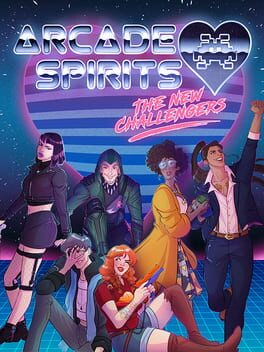
100Arcade Spirits: The New Challengers
 100
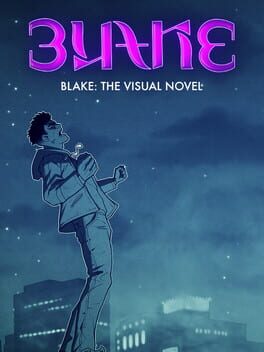
100Blake: The Visual Novel
 100
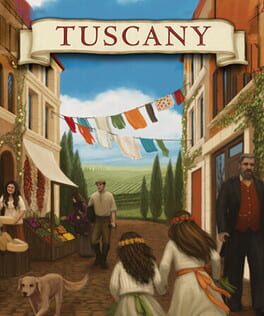
100Viticulture: Essential Edition - Tuscany Expansion
 100
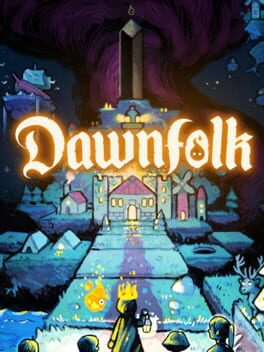
100Dawnfolk
 100
100Bloodthief
 100
100Vampire Survivors: Emergency Meeting
 100
100Warhammer 40,000: Rogue Trader - Void Shadows
 99
99Undertale Yellow
 99
99Lizards Must Die
 99
99Terraria: Calamity Mod
 99
99Pixadom
 99
99SIGame
 99
99Deluxe Ski Jump 2
 98
98Pokémon Infinite Fusion
 98
98Ena: Dream BBQ
 98
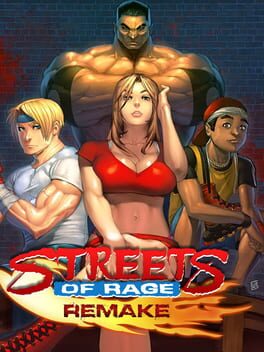
98Streets of Rage Remake
 98
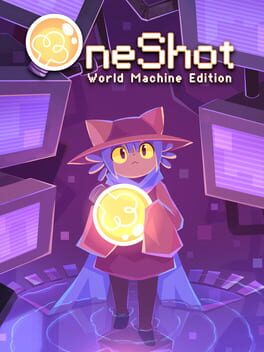
98OneShot: World Machine Edition
 98
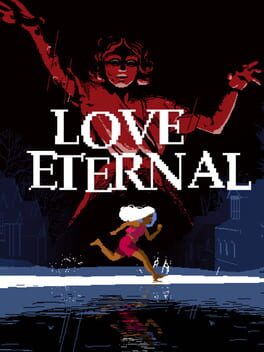
98Love Eternal
 98
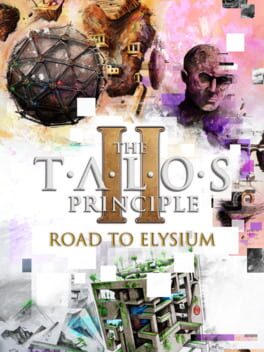
98The Talos Principle II: Road to Elysium
 97
97Lurkers
 97
97Voices of the Void
 97
97Dig Island
 96
96Heroes of Might and Magic III: Horn of the Abyss
 96
96Star Control II
 96
96Beast Battle Simulator
 96
96Polity
 96
96Mallow Drops
 95
95Hunter Moonstrike
 95
95Bad End Theater
 95
95My Grandfather's Farm
 95
95Outer Wilds: Archaeologist Edition
 95
95tModLoader
 95
95Seven: Enhanced Edition
 95
95Troubleshooter: Abandoned Children
 95
95Caves (Roguelike)
 95
95I Wanna Maker
 95
95Towerfall Ascension: Dark World
 95
95Stardew Valley: Collector's Edition
 95
95Read Only Memories: Neurodiver
 95
95Night Reverie
 95
95Shindig
 95
95Henchman Story
 95
95Ash of Gods: The Way
The Indie Market in 2026
The independent games market reached $9.9 billion in 2024 and is projected to grow to $28.58 billion by 2033 — a 12.5% compound annual growth rate driven by expanding development tools, more accessible distribution, and a growing audience that actively seeks non-AAA experiences. Steam alone hosts 61,295 indie games as its largest category, while itch.io holds over 200,000 titles across all price points and styles.
The average indie game on itch.io generates approximately $1,200 in revenue — a figure that reflects the massive range from zero-income jam entries to commercial breakouts. At the top end, games like Vampire Survivors, Stardew Valley, Undertale, and Hollow Knight have demonstrated that an indie game can match AAA titles in critical reception and surpass many in commercial performance relative to budget.
Blue Prince: 2025's Highest-Rated Game
Blue Prince emerged as the critical consensus choice for highest-rated game of 2025 — a remarkable achievement for a debut commercial release. The roguelike puzzle game defied easy genre classification: players explore a procedurally structured mansion by drafting rooms to place, with each run revealing more about the building's history and secrets. The combination of mechanical elegance and environmental mystery produced reviews that placed it among the best games of its generation, not just its year.
Blue Prince exemplifies what indie development can achieve when commercial constraints are minimal and creative vision is singular: a game that would never emerge from a studio with quarterly targets and market research committees, which is precisely why it feels like nothing else.
Hollow Knight: Silksong — The Culmination of Anticipation
Hollow Knight: Silksong accumulated 128,171 Steam reviews from a community that had waited years for Team Cherry's sequel to one of the best-regarded Metroidvanias ever made. The game received six nominations at The Game Awards — a number that placed it among the most-nominated titles of the year. The original Hollow Knight remains a benchmark for Metroidvania design: the atmospheric world-building, the difficulty calibration, the boss design, and the scope of content for a two-person team's debut commercial release.
Silksong's reception validated every year of anticipation. The follow-up introduced protagonist Hornet (formerly a boss in the original) as a playable character with different movement and combat, building a new game from an established world with enough change to feel genuinely fresh.
The Hidden Gems of 2025
Beyond the headline releases, 2025 produced a remarkable set of smaller indie titles that found dedicated audiences. Kokoro Kitchen blended cooking simulation with narrative depth in ways that the genre hadn't attempted before. Cinnabunny brought exceptional pixel art to a platform adventure that critics noted for its tight design. Keep Driving offered a road-trip narrative RPG with a tone unlike almost anything else in the medium. Herdling and ILA: A Frosty Glide each found their audiences through word-of-mouth rather than marketing spend.
This pattern — acclaimed small games discovered primarily through community recommendation — is characteristic of indie gaming's ecosystem and makes active following of critical and community coverage particularly valuable for finding the best of the medium's output.
Supergiant Games and Hades II
Supergiant Games (Bastion, Transistor, Pyre, Hades) has become one of the most consistently acclaimed studios in all of gaming regardless of budget tier. Hades II builds on the original's action roguelike framework with a new protagonist, returning characters from the first game, and Supergiant's characteristic combination of exceptional audio, strong writing, and mechanically elegant combat. The sequel launched in early access before a full release, following the same trajectory as its predecessor and benefitting from the same studio reputation.
Supergiant's consistency — every game rated 83+ Metacritic, with Hades at 93 — represents an achievement that most studios with ten times the headcount don't match.
Vampire Survivors and the Bullet Heaven Wave
Vampire Survivors (2022) sold over 7 million copies from a one-person development team at a £3 price point. The game's design — survive waves of enemies using auto-attacking weapons that the player upgrades and synergises — distilled roguelike progression to its most satisfying core loop. Its success created an entire subgenre: dozens of "bullet heaven" or "reverse bullet hell" games released in 2022-2024 following the same template.
The Vampire Survivors pattern — tiny team, clear concept, extremely low price, released in early access to grow with community feedback — has become a recognised indie launch strategy. The game's DLC, including Tides of the Foscari and Emergency Meeting, added content at price points that felt generous relative to the base game's value. poncle's success has directly influenced how small indie developers think about scope, pricing, and the relationship between concept clarity and commercial performance.
Celeste and What Accessibility in Hard Games Looks Like
Maddy Thorson and Noel Berry's Celeste (2018, 94 Metacritic) is simultaneously one of the hardest platformers ever made and one of the most accessible. The Assist Mode — which allows players to reduce game speed, add extra dashes, or enable invincibility — lets players who can't complete the base game experience its full narrative. The game doesn't penalise using assists; it presents them as tools for people who need them.
This approach to accessibility — building difficulty options that don't remove the challenge for those who want it while providing genuine paths for those who don't — has influenced how other indie and commercial developers think about difficulty settings. Celeste's game-feel (the jump arc, the dash, the coyote time) is also studied as a masterclass in platformer physics that feels fair even when demanding.
Why Indie Games Lead in Design Innovation
The design innovations that later appear in mainstream releases consistently originate in the indie space. The roguelike revival was driven by Spelunky, The Binding of Isaac, and Rogue Legacy before Hades brought it to mainstream visibility. Deckbuilder roguelikes emerged from Slay the Spire. Auto-battlers came from a custom Dota 2 mode. If you want to understand where game design is heading, the indie space is where to look first.
Our indie games collection on pcforest.net surfaces the critically recognised end of a massive ecosystem — titles that broke through to wider coverage and received considered critical attention. Sorting by year alongside rating shows how the indie space's creative output has accelerated: the period from 2018 to 2026 produced more acclaimed indie titles than any comparable period in the format's history.