Strategy Games
Strategy games reward planning, resource management, and long-term thinking in ways no other genre matches. From the real-time pressure of StarCraft II to the unhurried civilisational sweep of Europa Universalis, the genre's breadth — spanning real-time strategy, turn-based tactics, 4X, and grand strategy — means there's a strategic game for every patience level and interest area.
 100
100Blood on the Clocktower
 100
100Fritz 8
 100
100Viticulture: Essential Edition - Tuscany Expansion
 100
100Dawnfolk
 100
100Warhammer 40,000: Rogue Trader - Void Shadows
 100
100Planet Zoo: Aquatic Pack
 99
99Undertale Yellow
 99
99Terraria: Calamity Mod
 99
99Gwent: Iron Judgment
 99
99Baldur's Gate 3: Digital Deluxe Edition
 98
98Epiko Regal
 98
98Gwent: Crimson Curse
 97
97Catan Universe
 97
97Mafioso
 97
97Captain Tsubasa Vol. II: Super Striker
 96
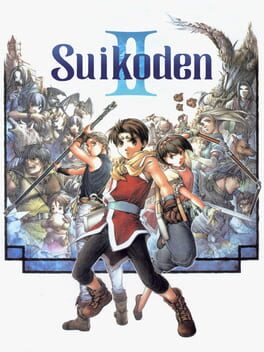
96Suikoden II
 96
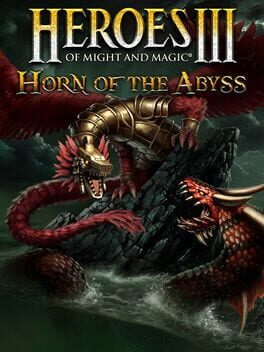
96Heroes of Might and Magic III: Horn of the Abyss
 96
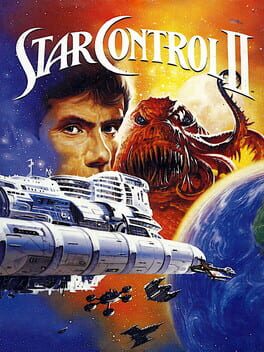
96Star Control II
 96
96My Racing Career
 96
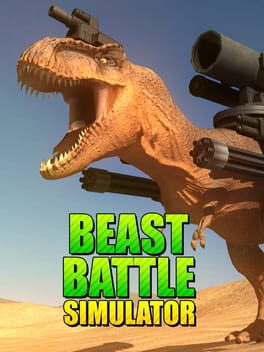
96Beast Battle Simulator
 96
96Yu-Gi-Oh! ARC-V Tag Force Special
 96
96Mahjong Soul
 96
96Victoria: Revolutions
 96
96Arma 3: Contact
 96
96Headquarters World War II
 96
96Poker Night at the Inventory
 95
95Baldur's Gate III
 95
95Sengoku Rance
 95
95Pac-Man: Championship Edition DX
 95
95NFUT Cards
 95
95My Grandfather's Farm
 95
95Championship Manager 4
 95
95Dragon Quest VIII: Journey of the Cursed King
 95
95tModLoader
 95
95Troubleshooter: Abandoned Children
 95
95Caves (Roguelike)
 95
95Tomoyo After: It's a Wonderful Life - Memorial Edition
 95
95Crusader Kings II: The Reaper's Due
 95
95Ash of Gods: The Way
 95
95Dicefolk
 94
94SOCOM II: U.S. Navy SEALs
 94
94Panzer General
 94
94Star Realms
 94
94Europa Universalis V
 94
94Arc the Lad II
 94
94Tropico 4: Modern Times
 94
94Forgotten but Unbroken
 93
93Heroes of Might and Magic III: Complete
The Major Subgenres and Their Benchmarks
Real-time strategy (RTS) demands simultaneous management of economics, unit production, base layout, and combat against an opponent doing the same — in real time. StarCraft II remains the gold standard for competitive RTS, with a design balance refined over decades of professional play. Age of Empires IV brought historical RTS to a modern engine while preserving the series' emphasis on asymmetric civilisation design. Company of Heroes 3 added Mediterranean and Italian theatre scenarios to Relic's acclaimed WWII tactical RTS framework.
Turn-based tactics remove the time pressure. XCOM 2 remains the definitive squad tactical game: permadeath soldiers with names and histories create genuine emotional investment in a genre that might otherwise feel abstract. Into the Breach from Subset Games is smaller in scope but arguably tighter in design — every puzzle-combat scenario has a correct solution if you can find it, with no randomness obscuring the reasoning.
4X and Grand Strategy: The Deep End
Civilization VII launched in early 2025 to mixed critical reviews but strong sales, with many reviewers noting it was the most beginner-accessible entry in the series despite some design changes that alienated long-time players. The three-era structure — Antiquity, Exploration, Modern — changes how leader selection and civilisation progression works in ways that require adjustment from Civilization VI habits but potentially create more varied games.
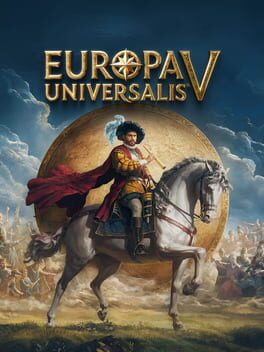
Europa Universalis V arrived in late 2025 as what many strategy enthusiasts consider the best 4X addition in years — a deeply researched historical grand strategy simulation that extends Paradox's established formula with revised economy and diplomacy systems. For players who've exhausted EU4 (still played actively more than a decade after its 2013 launch), EU5 represents a fresh canvas with familiar foundations.
Crusader Kings III remains one of the most accessible entry points to Paradox's grand strategy ecosystem — its character-driven focus on dynastic drama and personal ambition gives it a narrative dimension that pure map-painting games like EU often lack.
Stronghold Crusader Definitive Edition: The Surprise Hit
One of 2025's most discussed strategy releases wasn't a new IP but Stronghold Crusader Definitive Edition — a remaster of the 2002 medieval castle-building/RTS hybrid that surprised many with its warm reception. The Stronghold series never quite broke into strategy's mainstream during its original run, but the definitive edition demonstrated both that the original design was underrated and that appetite for classic-era real-time strategy with resource management depth remains strong.
2026: Strategos, Task Force Admiral, and Warhammer 40K
The 2026 strategy calendar includes Strategos (a historical wargame targeting the gap between accessible 4X and full grand strategy), Task Force Admiral (naval strategy with a focus on WWII Pacific operations), and Warhammer 40,000: Mechanicus 2 (the turn-based tactics sequel to one of the most acclaimed Warhammer games of the previous decade).
The Warhammer licence has been unusually productive for strategy games: Warhammer: Vermintide, Total War: Warhammer, Mechanicus, Battlefleet Gothic, and Necromunda titles have collectively covered most of the game's enormous lore across different strategic formats. The quality variance is significant, but the highest-rated entries in the Warhammer strategy catalogue stand with the best genre examples from any IP.
Crusader Kings III and Emergent Narrative
Paradox's Crusader Kings III (2020) is the best entry point into grand strategy and one of the best examples of emergent narrative in any genre. Rather than simulating geopolitics through abstract resource flows alone, CK3 simulates dynasties of individual characters with traits, relationships, ambitions, and secrets. The result is that a campaign generates stories — a succession crisis triggered by an unexpected death, a dynasty built on a pious founder's legacy gradually corrupted by scheming heirs — that feel authored but weren't scripted.
CK3 sold over 2 million copies in its first week and has maintained active playerbase through DLC expansions covering different regions and time periods. Its approachability compared to CK2 made grand strategy accessible to a generation of players who'd been intimidated by Paradox games previously — and many of those players subsequently moved into the deeper complexity of Europa Universalis IV and, now, V.
Deck-Building Strategy: Slay the Spire's Legacy
Slay the Spire (2019) created a subgenre. The roguelike deck-builder — build a card deck across a run, fight encounters using it, die and try again with different card choices — has been replicated in dozens of subsequent games. Monster Train, Inscryption (which won multiple GOTY awards for its meta-narrative layer on top of deck-builder mechanics), Roguebook, and many others built on the template Slay the Spire established.
The format's appeal is that each run generates a different strategic puzzle: what kind of deck am I building? How do I synergise these cards? When should I spend resources on upgrades vs new cards? These questions have enough depth to sustain hundreds of hours across runs without feeling repetitive, which is why Slay the Spire maintains an active playerbase years after its full release.
Finding Your Entry Point
Strategy games have the widest skill and complexity range of any genre. Introductory titles like Mini Metro, Bad North, or Northgard offer strategic depth without overwhelming systems. Mid-weight games like Slay the Spire (deck-building roguelike strategy), Into the Breach (grid tactics), or Civilization VII (most accessible Civ entry despite mixed reviews) provide meaningful decision-making without 20+ hour learning curves. Full grand strategy — Europa Universalis V, Hearts of Iron IV, Victoria 3 — is a substantial investment, but one that rewards serious engagement more than almost any other format.
Our strategy games collection on pcforest.net is sorted by critic rating by default, surfacing titles that achieved critical recognition regardless of subgenre. Filter by year to see which strategy games were considered essential in a specific period — the genre's output from 2019 to 2026 has been particularly strong.