itch.io Games
itch.io hosts over 200,000 games and is the most open, creator-friendly game marketplace in existence — any developer can publish anything, set their own price, and choose their own revenue split. It is the platform where much of the most experimental, unusual, and genuinely original game design happens, and where the indie games industry's next wave consistently makes its first appearance.
 100
100Arches
 100
100Arcade Spirits: The New Challengers
 99
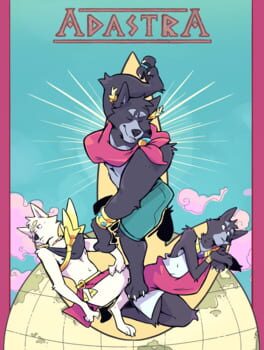
99Adastra
 97
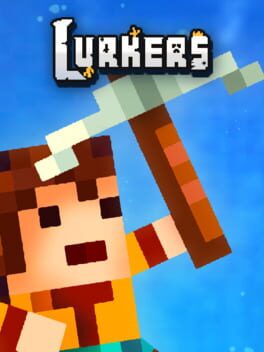
97Lurkers
 97
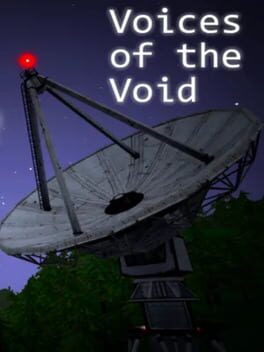
97Voices of the Void
 95
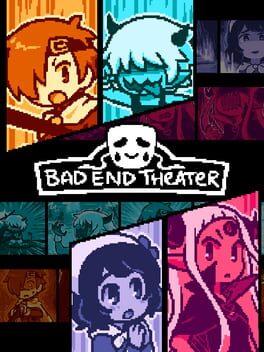
95Bad End Theater
 95
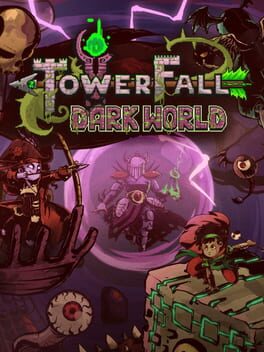
95Towerfall Ascension: Dark World
 95
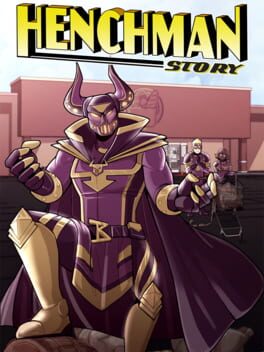
95Henchman Story
 94
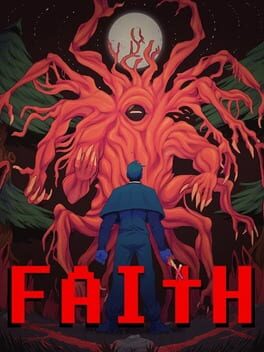
94Faith
 94
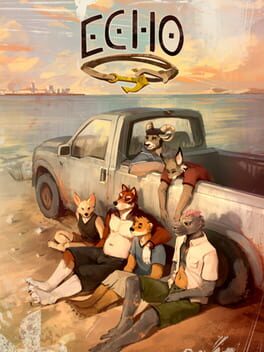
94Echo
 94
94Doodle Date
 93
93FortressOne
 93
93Eye of the Temple
 92
92Return of the Obra Dinn
 92
92Toontown Rewritten
 92
92Eternum
 91
91Vintage Story
 91
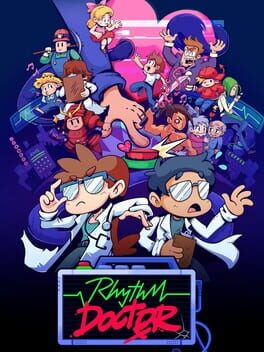
91Rhythm Doctor
 91
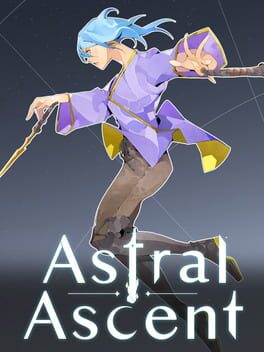
91Astral Ascent
 91
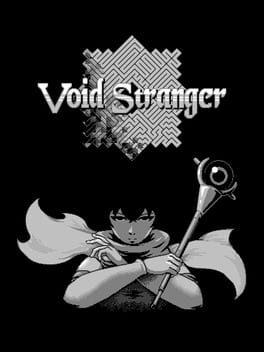
91Void Stranger
 90
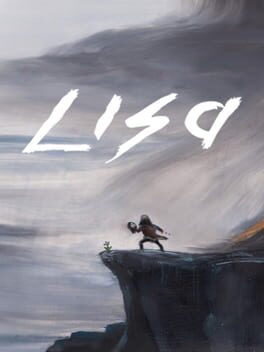
90Lisa: The Painful
 90
90Deltarune: Chapter 2
 90
90Lethal League Blaze
 90
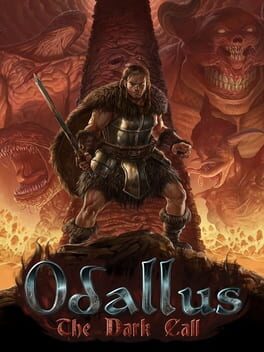
90Odallus: The Dark Call
 90
90Patrick's Parabox
 90
90ZeroRanger
 90
90Please, Touch the Artwork
 90
90The Elephant Collection
 90
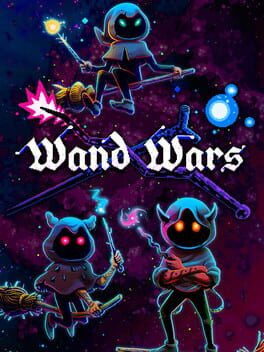
90Wand Wars
 90
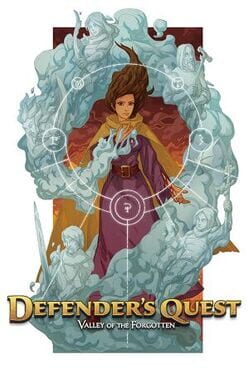
90Defender's Quest: Valley of the Forgotten DX
 90
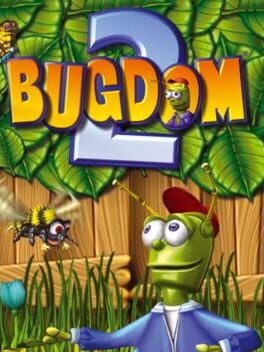
90Bugdom 2
 90
90Duck Run
 90
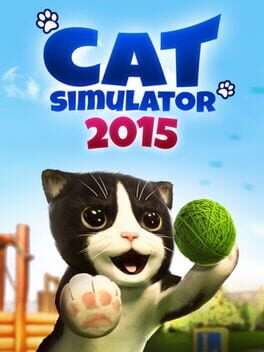
90Cat Simulator 2015
 90
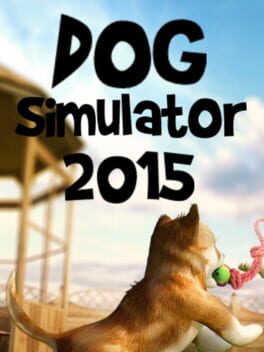
90Dog Simulator 2015
 90
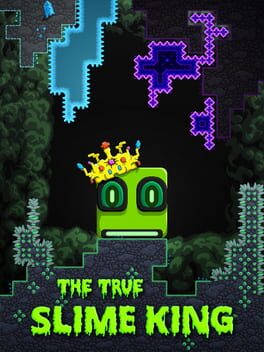
90The True Slime King
 90
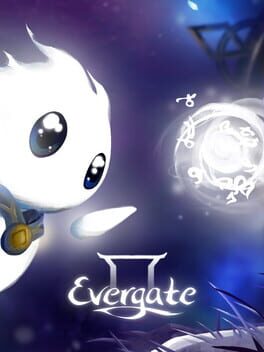
90Evergate
 90
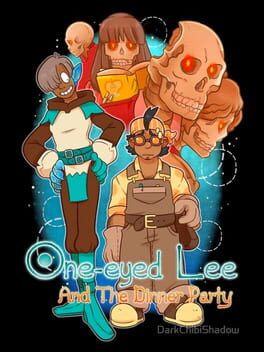
90One-Eyed Lee and the Dinner Party
 90
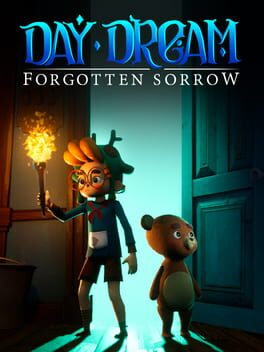
90Daydream: Forgotten Sorrow
 90
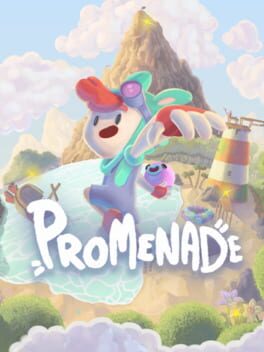
90Promenade
 90
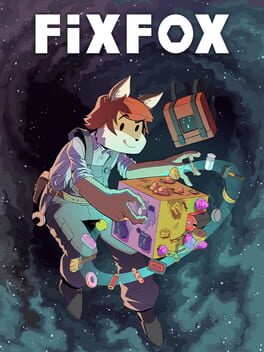
90FixFox
 90
90I Am Your Beast
 90
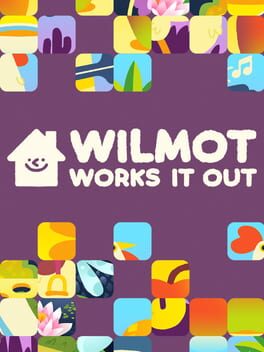
90Wilmot Works It Out
 89
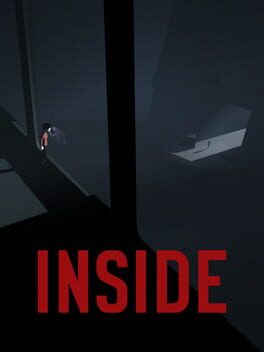
89Inside
 89
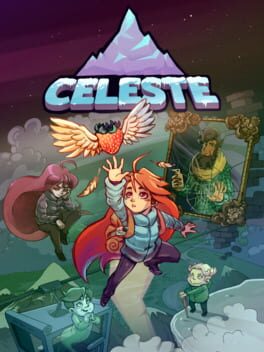
89Celeste
 89
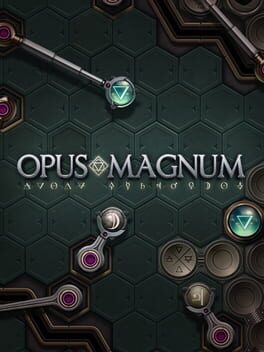
89Opus Magnum
 89
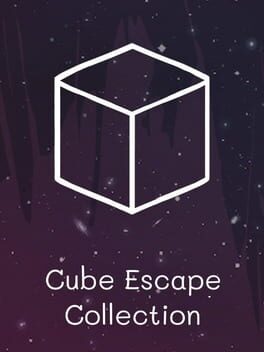
89Cube Escape Collection
 89
89Spilled!
 89
89BroodStar
itch.io's Unique Position in the Market
itch.io occupies a position in the game ecosystem unlike any other platform. Where Steam requires approval and a $100 submission fee, and GOG requires curation acceptance, itch.io allows any creator to publish anything immediately. The creator sets the price — including pay-what-you-want, minimum price, or completely free — and chooses the revenue split between themselves and the platform.
The result is a catalogue of 200,000+ games that includes commercial releases, game jam entries, experimental interactive fiction, educational tools, game prototypes, and everything in between. Discovery is harder than on curated platforms, but the ceiling for finding something genuinely unlike anything else you've played is substantially higher.
The Indie Market Behind the Platform
The independent games market reached $9.9 billion in 2024 and is projected to grow to $28.58 billion by 2033, representing a 12.5% compound annual growth rate. This growth is driven by improving development tools, more accessible distribution, and a growing audience that actively seeks out non-AAA experiences.
The average indie game on itch.io generates approximately $1,200 in revenue — a figure that reflects the enormous range from zero-income jam entries to commercially successful titles earning hundreds of thousands. The platform's long tail is very long indeed, but the presence of successful commercial releases alongside free experiments is part of what makes itch.io's ecosystem valuable.
Bundles: The Most Generous Deals in Gaming
itch.io's bundle model has produced some of the most remarkable value offers in gaming history. Community fundraiser bundles assembled hundreds of games for a suggested price of a few dollars — collections that would individually cost hundreds of dollars — with proceeds going to charitable causes. These events have raised millions of dollars while simultaneously putting thousands of indie games into new players' hands.
Following itch.io's curated collections, seasonal bundle events, and community recommendations is essential for getting the most from the platform. The timing of major bundles is unpredictable but worth watching for.
Where Game Design Goes First
Some of gaming's most influential design ideas appeared on itch.io before anywhere else. Before its commercial release, Celeste began as a game jam game. Countless mechanics that later appeared in mainstream releases were first explored in itch.io game jam entries — the Ludum Dare and Global Game Jam catalogues on the platform contain design experiments that have shaped the industry.
2025's standout games like Blue Prince — before gaining mainstream visibility — and various titles that went on to wider release had their origins or early forms in the itch.io ecosystem. The platform functions as an incubator as much as a storefront.
Game Jam Culture and What It Produces
Game jams — events where developers make a game in 48 to 72 hours under a specific theme constraint — are one of itch.io's most important functions. The GMTK Game Jam (organised by Game Maker's Toolkit's Mark Brown) regularly attracts 6,000+ entries over a single weekend. Ludum Dare, one of the oldest game jams, has run since 2002 and has produced prototype versions of games that went on to commercial release.
The constraint-driven creativity of game jams produces design experiments that no commercial pressure would generate. A developer who needs to ship a complete game in 48 hours cannot afford complicated systems — every mechanic must justify its existence immediately. This constraint produces games with unusual clarity of concept. Some of the most mechanically interesting ideas in contemporary indie design first appeared in jam entries, then were expanded into full commercial releases after positive reception.
The GMTK 2024 jam's winning entries — available on itch.io — demonstrate what happens when thousands of developers work simultaneously on the same theme: emergent clusters of similar ideas make visible what the most natural interpretations of a constraint are, and outliers become the discoveries worth following.
Practical Tips for Navigating itch.io
The platform's openness means the quality distribution is wider than on curated stores. Useful approaches include filtering by "Top Rated" within specific genres, following collections curated by trusted community members, checking game jam winner archives (particularly GMTK Game Jam and Ludum Dare), and using the "Recommended for you" feature after rating a few games you've played.
Pay-what-you-want pricing on itch.io is genuine — games set at $0 minimum can be downloaded for free, and paying above minimum directly supports the developer without any platform cut beyond itch.io's configurable share (which many developers set to 0%). This creator-first model makes buying games on itch.io a direct relationship between player and developer in a way no other major platform offers.
The itch.io desktop app provides automatic update management for installed games, useful for keeping up with actively developed titles that release updates frequently. Our itch.io listings on pcforest.net represent the critically noted portion of a 200,000+ game catalogue — a useful starting point for a platform whose real value comes from exploration.
itch.io and the Broader Indie Ecosystem
For many indie developers, itch.io and Steam are complementary rather than competing. Developers release on itch.io first — for game jams, early access, or simply to build a community — then launch on Steam once the game has a following. The itch.io presence collects feedback and establishes an audience; the Steam launch provides the discoverability that Steam's larger user base enables.
Some developers deliberately choose itch.io over Steam for ideological reasons: the platform's creator-first model, its lack of algorithmic gatekeeping, and its reputation as a home for experimental work align with developers who prioritise independence over reach. The result is that itch.io's most distinctive releases are often its most interesting — made by people for whom other platforms were a deliberate choice not to use. Following itch.io's curated collections and trusted community recommendation lists is the best way to stay connected to this creative edge of game development.