Nintendo Games
Nintendo occupies a position in gaming unlike any other publisher: its first-party titles consistently rank among the highest-rated games ever made, its hardware philosophy prioritises playfulness over raw power, and its franchises — Mario, Zelda, Metroid, Pokémon, Kirby, Donkey Kong — carry cultural weight accumulated over more than four decades. The Switch 2, launched in June 2025, continues Nintendo's tradition of hardware innovation while maintaining backward compatibility with one of the strongest single-platform libraries in gaming history.
 100
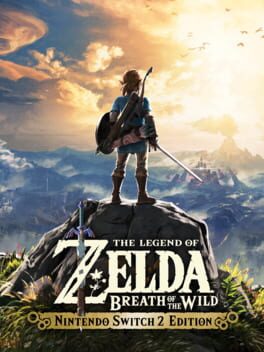
100The Legend of Zelda: Breath of the Wild - Nintendo Switch 2 Edition
 100
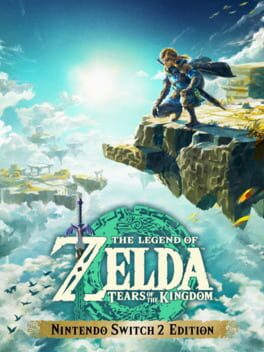
100The Legend of Zelda: Tears of the Kingdom - Nintendo Switch 2 Edition
 100
100Mass Effect: Genesis 2
 100
100Indianapolis 500 Legends
 100
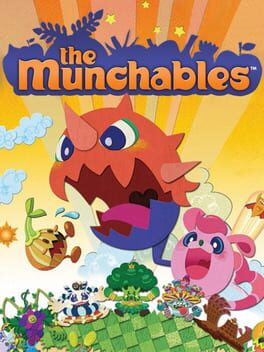
100The Munchables
 100
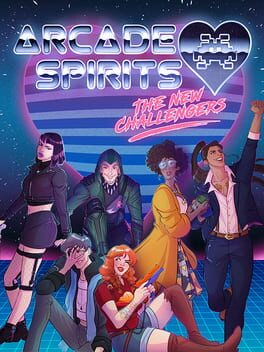
100Arcade Spirits: The New Challengers
 100
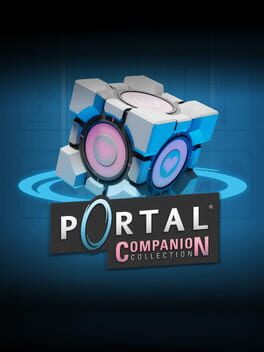
100Portal: Companion Collection
 100
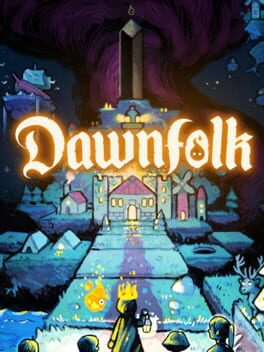
100Dawnfolk
 100
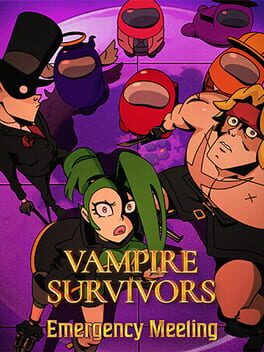
100Vampire Survivors: Emergency Meeting
 100
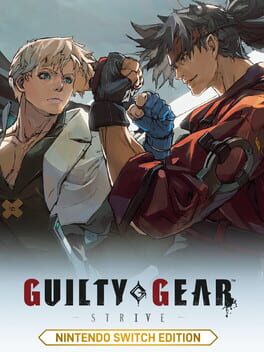
100Guilty Gear: Strive - Nintendo Switch Edition
 99
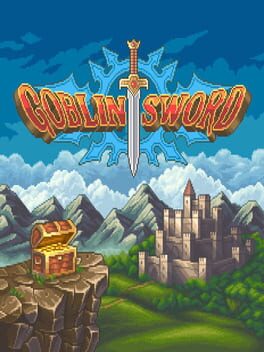
99Goblin Sword
 98
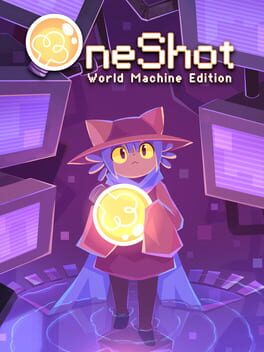
98OneShot: World Machine Edition
 98
98Love Eternal
 97
97Jurassic Park
 97
97Catan Universe
 97
97Life Force
 96
96Super Mario World
 96
96The Legend of Zelda: A Link to the Past
 96
96Super Metroid
 96
96Super Mario All-Stars + Super Mario World
 96
96NHL 96
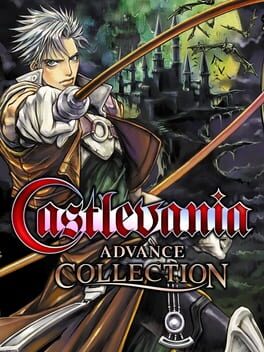 96
96Castlevania Advance Collection
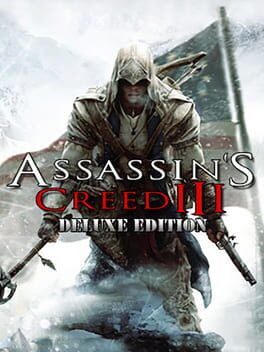 96
96Assassin's Creed III: Deluxe Edition
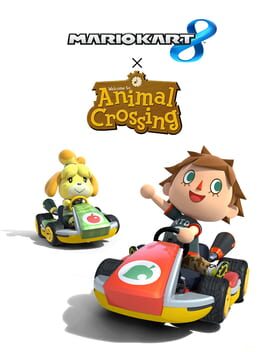 96
96Mario Kart 8: DLC Pack Two
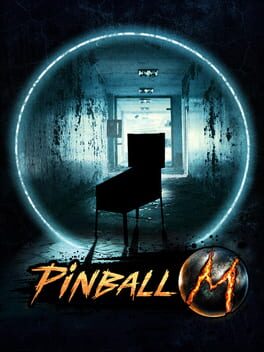 96
96Pinball M
 96
96Poker Night at the Inventory
 95
95The Legend of Zelda: Breath of the Wild
 95
95Elden Ring
 95
95Super Smash Bros. Melee
 95
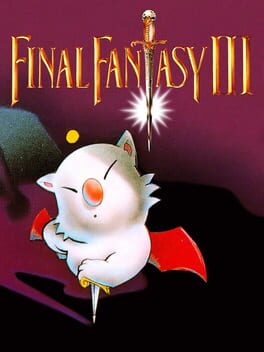
95Final Fantasy III
 95
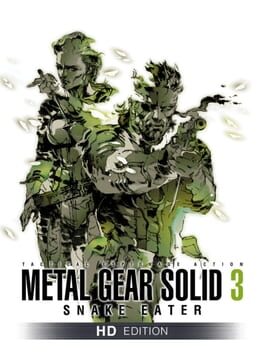
95Metal Gear Solid 3: Snake Eater - HD Edition
 95
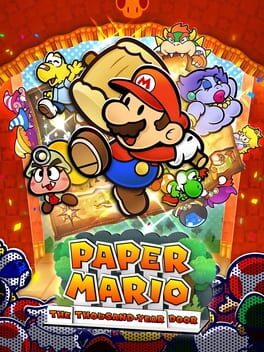
95Paper Mario: The Thousand-Year Door
 95
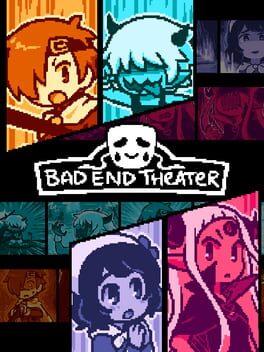
95Bad End Theater
 95
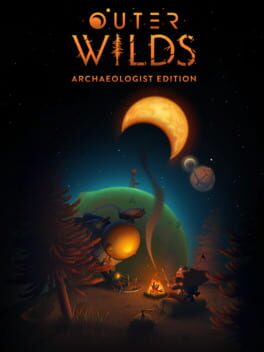
95Outer Wilds: Archaeologist Edition
 95
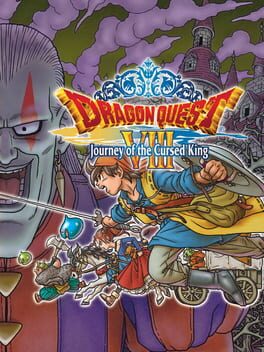
95Dragon Quest VIII: Journey of the Cursed King
 95
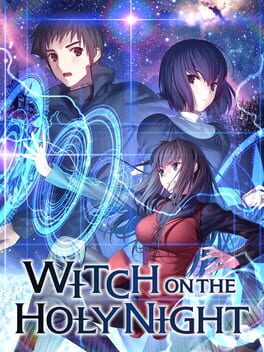
95Witch on the Holy Night
 95
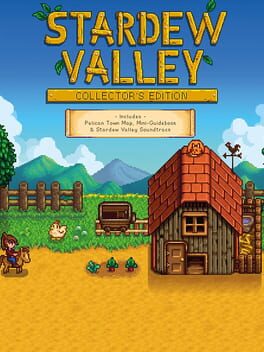
95Stardew Valley: Collector's Edition
 95
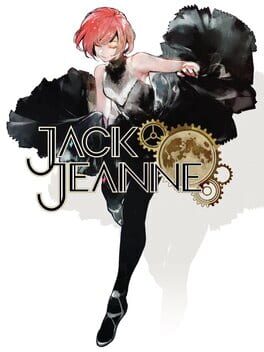
95Jack Jeanne
 95
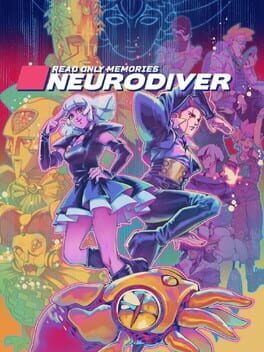
95Read Only Memories: Neurodiver
 95
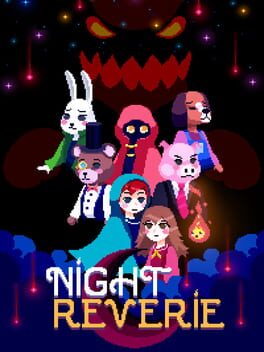
95Night Reverie
 95
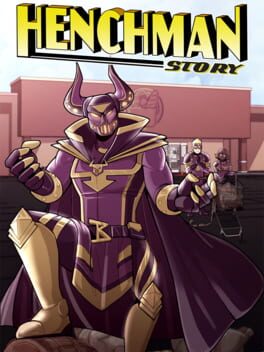
95Henchman Story
 95
95Final Fantasy: Pixel Remaster Collection
 95
95Ash of Gods: The Way
 95
95Dicefolk
 95
95Subpar Pool
 95
95Vampire Survivors: Operation Guns
 95
95Vampire Survivors: Ode to Castlevania
 94
94Super Mario Galaxy
The Switch 2 and What It Means
Nintendo launched the Switch 2 in June 2025, bringing enhanced hardware performance to the hybrid console concept the original Switch pioneered in 2017. The new system shipped with enhanced ports of titles like The Legend of Zelda: Breath of the Wild, allowing returning players to experience the game in a substantially improved technical state. The backward compatibility approach — maintaining the Switch library while gradually building a Switch 2-specific catalogue — followed Nintendo's historically successful strategy of gradual generational transitions.
The Switch 2's improved processing power addresses one of the original Switch's main limitations: several third-party titles that ran poorly or were never ported due to hardware constraints are now viable targets for Switch 2 versions. This expands the platform's third-party appeal in ways the original Switch couldn't always achieve.
2025: Nintendo's Standout Year
Nintendo's 2025 release slate was exceptional across multiple franchises. Metroid Prime 4 finally arrived after years of development — the fourth entry in the beloved first-person Metroid series — and delivered on years of fan anticipation. Kirby Air Riders, a spiritual successor to the beloved Kirby Air Ride, was received warmly. Donkey Kong Country Returns (whichever specific 2025 entry this was) became the highest-scoring Donkey Kong game in franchise history, a meaningful achievement for a series with a long critical track record.
Hollow Knight: Silksong, one of the most anticipated indie games of the generation, debuted on Nintendo platforms alongside PC and received six nominations at The Game Awards, validating every year of anticipation from the game's devoted following.
2026 and Beyond
Pokopia — whatever its specific form — launched to an 89 Metacritic score in 2026, becoming one of the highest-rated Nintendo platform releases of the year. Nintendo's pipeline of first-party sequels and revivals remains one of the most reliable in the industry: when a new Zelda, Mario, Metroid, or Pokémon entry is announced, it arrives with institutional knowledge accumulated over decades of iteration.
The Legend of Zelda series in particular is at a creative peak. Following Breath of the Wild and Tears of the Kingdom, the franchise has demonstrated that it can reinvent itself fundamentally while retaining the essence of what makes it special — a standard very few game series achieve.
Why Nintendo Games Hold Their Value
No other publisher's games retain their retail price as effectively as Nintendo's. First-party Switch titles frequently remain at or near their launch price years after release — a contrast to the deep sales common on other platforms within months of launch. This is partly brand loyalty, partly controlled distribution, and partly genuine quality that sustains demand.
For buyers sensitive to price, this matters practically: buying a Nintendo game used or waiting for the rare Nintendo sale are the main routes to meaningful savings. Physical copies retain resale value unusually well. The upside is that when Nintendo first-party titles do appear in sales, even modest discounts feel significant — 25% off a Nintendo title is more of an event than 70% off a multiplatform game that regularly discounts.
The Zelda Generation Gap
The Legend of Zelda: Breath of the Wild (2017) and Tears of the Kingdom (2023) collectively represent one of gaming's most remarkable back-to-back franchise reinventions. Breath of the Wild's 97 Metacritic score made it one of the highest-rated games ever made; Tears of the Kingdom matched it at 96 while building an entirely new game on the same map through underground caverns, sky islands, and a physics system deep enough to produce player-built flying machines and combat contraptions that Nintendo's designers didn't anticipate.
For the Switch 2 era, Nintendo faces the question of what comes after this Zelda peak. The enhanced Switch 2 version of Breath of the Wild gives new players the best technical version of that game while Nintendo's development teams work on whatever follows Tears of the Kingdom. Given Nintendo's typical development timelines, the next mainline Zelda is likely a Switch 2-native release that will define the new hardware's creative ambitions the way Breath of the Wild defined the original Switch.
Nintendo's Unique Creative Identity
Nintendo's design philosophy — accessibility without condescension, mechanical inventiveness grounded in physical play, and a commitment to games that work for simultaneous local multiplayer — produces games that often feel unlike anything from other publishers. Titles like Nintendo Switch Sports, Mario Party Superstars, and WarioWare demonstrate serious investment in genres other developers have largely abandoned. The company's willingness to build hardware around game concepts — the Switch's detachable Joy-Con for local co-op, the Switch 2's new mouse-mode controllers — reflects a design culture where the physical experience of play drives hardware decisions rather than the reverse.
Nintendo games also age well. Super Mario Odyssey, released in 2017, remains one of the highest-rated games on the platform and is still sold at or near its launch price. Stacking Nintendo's output against any other publisher's over the same period shows a consistency of critical quality that no other first-party developer maintains across franchises as varied as Mario, Zelda, Metroid, Animal Crossing, Splatoon, and Kirby simultaneously.
The Nintendo library on pcforest.net covers the Switch and Switch 2 era comprehensively. Sorting by rating surfaces the consensus highlights; the year filter tracks the remarkable pace at which Nintendo has delivered acclaimed releases across the Switch generation and into Switch 2.