Fighting Games
Fighting games are built on the tension of two players expressing skill, knowledge, and improvisation in controlled combat. The genre has produced some of gaming's most enduring competitive scenes — EVO, Capcom Cup, Tekken World Tour — and its 2023-2024 entries, particularly Street Fighter 6 and Tekken 8, represent the fighting game at its most polished, accessible, and competitively deep simultaneously.
 100
100Tobal 2
 100
100Guilty Gear: Strive - Nintendo Switch Edition
 100
100Fatal Fury: City of the Wolves - Special Edition
 96
96Melty Blood Act Cadenza Ver. B
 95
95Super Smash Bros. Melee
 95
95Towerfall Ascension: Dark World
 95
95Clone Drone in the Hyperdome
 94
94Project+
 93
93Superfighters Deluxe
 93
93Mortal Kombat 11: Ultimate
 93
93Project M
 92
92Street Fighter II' Turbo
 92
92Ultimate Fighting Championship
 92
92Tekken 5: Dark Resurrection Online
 92
92Deathrow
 92
92Cyber Troopers Virtual-On Oratorio Tangram
 90
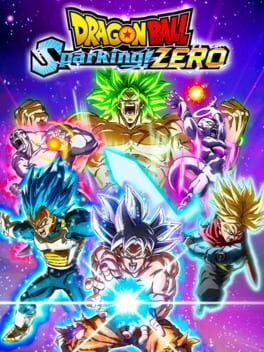
90Dragon Ball: Sparking! Zero
 90
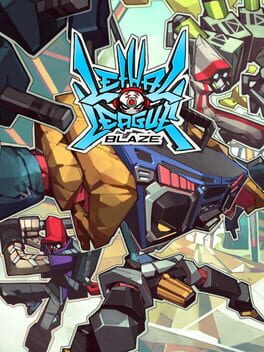
90Lethal League Blaze
 90
90Capcom vs. SNK: Millennium Fight 2000
 90
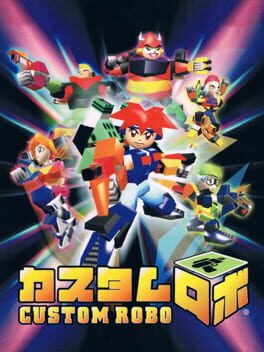
90Custom Robo
 90
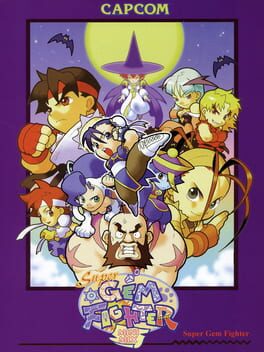
90Super Gem Fighter Mini Mix
 90
90One Piece: Grand Battle!
 90
90Gangstar Vegas
 90
90Shadow Fight 2: Special Edition
 90
90Wand Wars
 90
90Streets of Rage 4: Mr X. Nightmare
 90
90Championship Manager: Season 02/03
 90
90International Karate 2000
 90
90Zombies Ate My Friends
 90
90Super Puzzle Fighter II Turbo
 90
90Star Wars: Jedi Challenges
 90
90ACA Neo Geo: The King of Fighters '98
 90
90The Falconeer: Warrior Edition
 90
90MLB The Show 22: MVP Edition
 90
90Underdogs
 90
90Transformers: Forged to Fight
 90
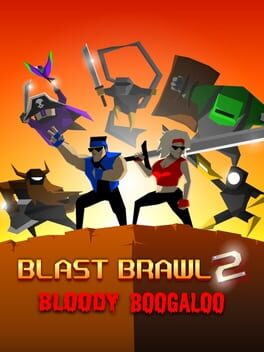
90Blast Brawl 2: Bloody Boogaloo
 90
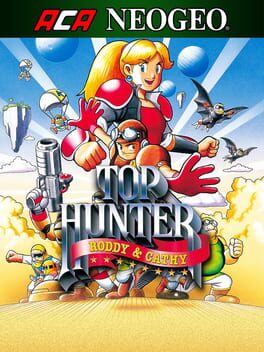
90ACA Neo Geo: Top Hunter Roddy & Cathy
 90
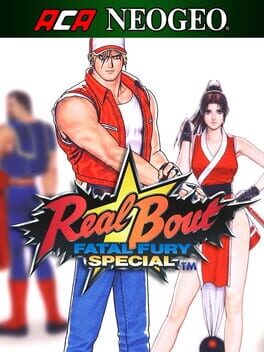
90ACA Neo Geo: Real Bout Fatal Fury Special
 90
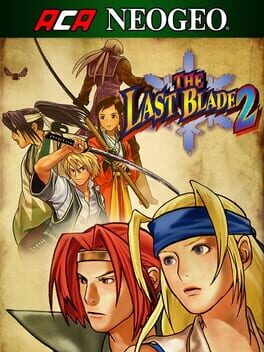
90ACA Neo Geo: The Last Blade 2
 89
89Super Smash Bros. for Wii U
 89
89SoulCalibur II
 89
89Severance: Blade of Darkness
 89
89Tekken 6
 89
89Abobo's Big Adventure
 89
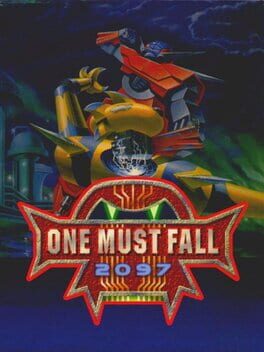
89One Must Fall: 2097
 89
89Guilty Gear X2
 89
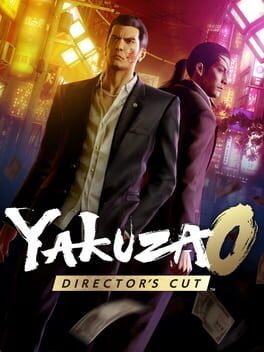
89Yakuza 0: Director's Cut
The Competitive Depth Under the Surface
Fighting games can appear simple at first contact — press buttons, win fights — but the competitive depth is extraordinary. Frame data, hitbox knowledge, combo routes, matchup theory, wakeup options, mental stack, and defensive option coverage are concepts that players spend years internalising. This is what has sustained games like Street Fighter III: 3rd Strike and Marvel vs. Capcom 2 as actively discussed titles more than two decades after their release — the design is rich enough that mastery is genuinely unattainable.
The skill ceiling in a fighting game is defined by your opponent. Against a moderately skilled player, basic combo knowledge and fundamental spacing matters. Against a top regional player, the gap between what you understand and what they understand becomes visible as a physical force in the match. This progression from beginner to intermediate to high-level is one of gaming's most legible skill ladders.
Street Fighter 6 and Tekken 8: The Modern Standard
Street Fighter 6 (2023) received the highest critical scores the franchise had seen since Street Fighter IV and is widely considered the most accessible Capcom fighter ever made without sacrificing competitive depth. The Drive System — a unified mechanic that enables parries, dashes, counters, and reversal attacks through a single resource — gave players more consistent expressive options than the mode-switching of Street Fighter V. The online infrastructure, built on good rollback netcode from launch, delivered competitive play quality that the series had never previously achieved at scale.
Tekken 8 (2024) brought Bandai Namco's 3D fighting game to critical reception the series hadn't seen since Tekken 5. The Heat System added offensive aggression as a strategic layer, pushing the game toward more dynamic exchanges than Tekken 7's defensive patient play. The roster's legacy characters — Kazuya, Jin, Nina — were redesigned with enough retained familiarity that returning players could transfer knowledge while learning updated mechanics.
Platform Fighters and Casual Brawlers
Not all fighting games target the tournament community. Super Smash Bros. Ultimate remains the most commercially successful fighting game ever made, with 35+ million copies sold — a product of Nintendo's approach to making competitive depth available to casual audiences simultaneously. Multiversus from Player First Games expanded the platform fighter concept to a multifranchise roster, with results that demonstrated how difficult it is to replicate Smash's specific magic.
Party brawlers like Gang Beasts, Stick Fight: The Game, and Brawlhalla lean further into accessible chaos. Gang Beasts in particular has become a reliable party game staple — the unresponsive physics creating comedy that skilled fighting game play deliberately removes.
Mortal Kombat 1 and the WB NetherRealm Style
Mortal Kombat 1 (2023) reinvented the franchise's continuity with a new timeline structure while maintaining the series' signature gore and spectacular finishing moves. NetherRealm's approach — accessible main game with deep combo routing for committed players, a substantial story mode, and aggressive DLC character releases — contrasts with Capcom's Street Fighter approach and demonstrates that there's more than one commercially successful model in the genre.
Injustice 2 remains the template for how fighting game story modes can work: the Mortal Kombat 1 story continues that tradition, using the genre's roster as a cast for genuinely entertaining narrative even when the gameplay is taken out of the picture.
EVO and the Competitive Fighting Game Calendar
EVO (Evolution Championship Series), held annually in Las Vegas, is the world's largest fighting game tournament. The 2024 event drew over 10,000 entrants across its main lineup — Street Fighter 6, Tekken 8, Mortal Kombat 1, Guilty Gear: Strive, Dragon Ball FighterZ, Granblue Fantasy Versus: Rising, and others. The prize pools, now supported by dedicated publisher partnerships, have grown substantially.
The broader competitive fighting game calendar extends through regional majors on every continent, with national champions qualifying for international events. This infrastructure means that getting good at a fighting game connects you to a global competitive community with real events to work toward — something that distinguishes fighting games from other competitive genres where the barrier to organised competition is higher.
Guilty Gear: Strive and the Arc System Works Approach
Arc System Works has carved out a specific position in the fighting game market: games with extraordinarily detailed 2D animation (their "2.5D" technique renders 3D models to look like hand-drawn animation), heavy metal soundtracks, deep lore, and gameplay systems with high expression ceilings. Guilty Gear: Strive (2021) received the series' best critical reception by streamlining some of the prior entries' complexity while preserving the system depth that the competitive community requires.
Granblue Fantasy Versus: Rising (2023) extended this approach to a licensed property with a different aesthetic, demonstrating that Arc System Works' production methods and design philosophy work across more than their flagship IP.
Rollback Netcode: Why It Matters
Rollback netcode predicts opponent inputs and corrects mistakes so quickly that the connection quality of online play approaches offline play at low latency. The shift from delay-based netcode to rollback — Street Fighter 6, Tekken 8, Guilty Gear: Strive, and most other major 2022-2025 fighting games launched with it or patched it in — transformed online fighting game viability. The notorious reputation of online fighting games as a poor substitute for local play has been meaningfully addressed, and for the first time players without local scenes or regular in-person opponents can develop competitive skill through online matchmaking alone.
Browse our fighting games collection on pcforest.net by rating — the critic scores track the genre's output honestly, and highly polished recent entries like Street Fighter 6 and Tekken 8 represent the format at a high point by most measures.