Platformer Games
Platformer games are built around movement — jumping, running, climbing, and navigating spaces with precision and momentum. The genre spans an enormous range from the pixel-perfect precision of Celeste and Hollow Knight to the expressive three-dimensional freedom of Super Mario Odyssey. Across both dimensions, the best platformers make movement feel so good that the act of traversal itself becomes satisfying independent of goals.
 100
100Bubsy 3D: Bubsy Visits the James Turrell Retrospective
 100
100Flimbo's Quest
 100
100The Munchables
 100
100Starquake
 100
100Portal: Companion Collection
 99
99Goblin Sword
 99
99Terraria: Calamity Mod
 99
99Pixadom
 98
98Love Eternal
 97
97Lurkers
 97
97Creatures
 96
96Super Mario World
 96
96Super Metroid
 96
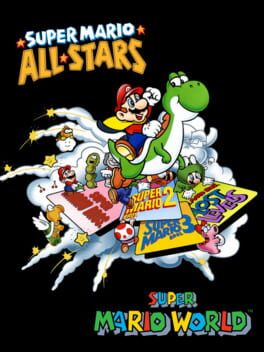
96Super Mario All-Stars + Super Mario World
 96
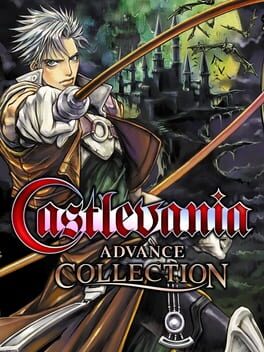
96Castlevania Advance Collection
 95
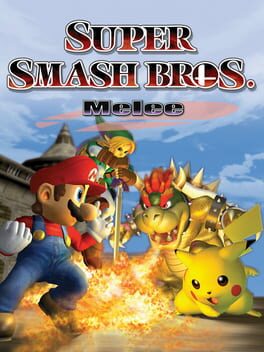
95Super Smash Bros. Melee
 95
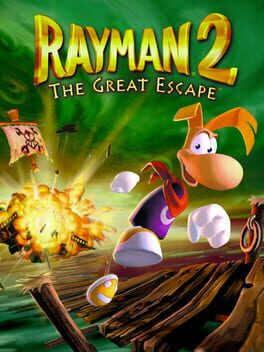
95Rayman 2: The Great Escape
 95
95tModLoader
 95
95I Wanna Maker
 95
95LittleBigPlanet: Game of the Year Edition
 95
95Towerfall Ascension: Dark World
 94
94Super Mario Galaxy
 94
94Metroid Prime
 94
94Super Mario World 2: Yoshi's Island
 94
94Project+
 94
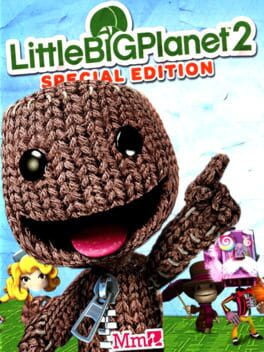
94LittleBigPlanet 2: Special Edition
 93
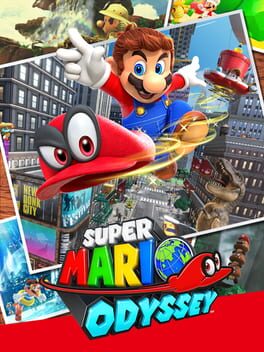
93Super Mario Odyssey
 93
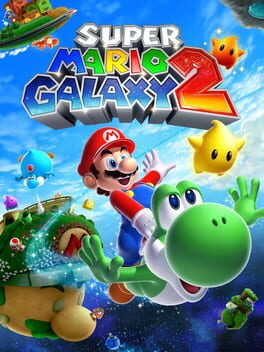
93Super Mario Galaxy 2
 93
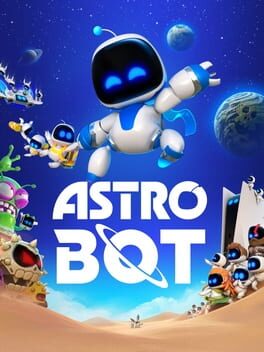
93Astro Bot
 93
93Superfighters Deluxe
 93
93Jungles of Maxtheria
 93
93Project M
 93
93Spatial
 93
93Knytt Stories
 93
93Giana Sisters DS
 93
93Eye of the Temple
 93
93Chameleon Run: Deluxe Edition
 92
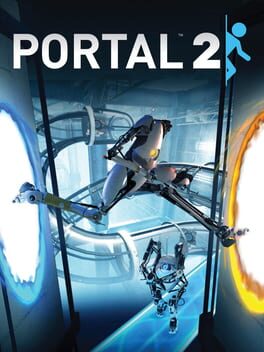
92Portal 2
 92
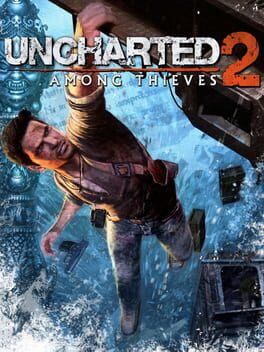
92Uncharted 2: Among Thieves
 92
92Hollow Knight
 92
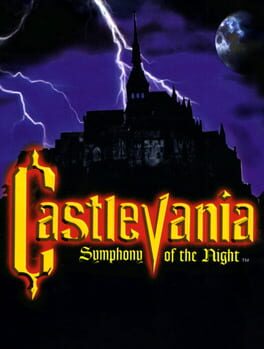
92Castlevania: Symphony of the Night
 92
92SpongeBob SquarePants: Battle For Bikini Bottom
 92
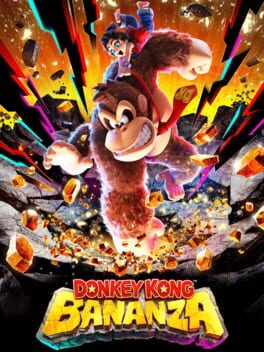
92Donkey Kong Bananza
 92
92Metroid Prime: Trilogy
 92
92Guacamelee!: Gold Edition
 92
92Shovel Knight: King of Cards
 92
92Rain World: Downpour
 92
92Auf Wiedersehen Monty
The Art of Movement Design
A great platformer makes movement feel good before anything else. The jump arc, the coyote time, the landing friction, the acceleration curve — micro-decisions in a game's physics engine determine whether the experience is satisfying or frustrating regardless of visual quality. Celeste is studied in game design discussions because every parameter was calibrated to feel precise and fair, even at the game's most brutal difficulty. The developer made tools for the character to feel responsive at the margin — the dash recharge on landing, the grab wall-slide rate — that most players never consciously notice but universally benefit from.
Hollow Knight's movement — the nail pogo, the dash, the shade cloak — accumulates into a toolset that transforms traversal across its enormous underground world. The game withholds movement abilities through progression, but each new tool doesn't just open new areas: it makes existing areas navigable in new ways, rewarding backtracking with the pleasure of revisiting familiar spaces at greater speed and fluency.
Metroidvanias: The Interconnected World Formula
The Metroidvania subgenre takes its name from Metroid and Castlevania: Symphony of the Night — two different expressions of the same fundamental design: an interconnected world that opens progressively as the player acquires new traversal abilities. The structure of a locked world that rewards patient exploration and ability accumulation has proven remarkably durable.
Hollow Knight remains the modern benchmark. Ori and the Will of the Wisps brought the format to exceptional visual production with movement that some consider the most joyful in the subgenre. Dead Cells hybridised Metroidvania structure with roguelike runs to create a format that could be played in shorter sessions without sacrificing the exploratory satisfaction. Blasphemous and Castlevania: Harmony of Despair represent different aesthetic ends of what the genre can look like.
Hollow Knight: Silksong and the 2025 Landscape
Hollow Knight: Silksong's 2025 release was among the most anticipated games in the indie space. The sequel followed the structural approach of the original — vast interconnected world, progressive ability acquisition, demanding boss fights — while introducing Hornet as a player character with fundamentally different movement and combat feel from Hollow Knight. Six Game of the Year nominations at The Game Awards reflected both the quality of the release and the emotional investment of a community that had followed its development closely.
Silksong's six Game of the Year nominations demonstrated that the Metroidvania format, in expert hands, competes at the highest level of critical recognition regardless of budget or studio size.
Nintendo's 2025 Platformer Excellence
Donkey Kong Country 2025 (whichever specific entry Nintendo released) became the highest-scoring Donkey Kong game in franchise history, a meaningful achievement for a series that has had landmark entries at multiple points across its history — the original DKC trilogy on SNES, Donkey Kong 64, Tropical Freeze. The new entry demonstrated that Nintendo's platform game output extends well beyond Mario and Kirby into consistently high-quality franchise entries that don't always receive the mainstream attention they deserve.
Kirby Air Riders reimagined the Kirby Air Ride experience for the Switch 2 generation with new mechanics built around the hardware's capabilities. Nintendo's continued investment in Kirby as a platform for accessible but deep mechanics — the copy ability system remains one of gaming's most pleasurable character-build systems — makes new Kirby entries reliable critical performers.
Shovel Knight and Indie Platformer Ambition
Yacht Club Games' Shovel Knight (2014) demonstrated that a small studio's love letter to NES-era platformers could stand alongside its inspirations rather than merely imitate them. The game's DLC campaigns — Plague of Shadows, Specter of Torment, King of Cards — each added a full game featuring a different protagonist with a different movement system, turning an already generous original into one of gaming's best value propositions. Shovel Knight's knockback physics — hitting an enemy launches you backward unless you attack again — creates the tactical satisfaction of NES platformers while adding intentional decision-making those originals didn't have.
Ori and the Precision of Beautiful Games
Moon Studios' Ori and the Will of the Wisps (2020, 95 Metacritic) demonstrated that precision platformer mechanics and extraordinary visual art are not in tension. Its final sequence — a timed escape deploying every movement ability accumulated across the game's runtime — functions as a culminating exam of everything the player has learned. It remains one of the most commonly cited examples of a game that lands its ending in proportion to its buildup.
2D vs 3D: Different Pleasures
Two-dimensional platformers emphasise spatial reading and input precision in ways 3D games can't fully replicate. The fixed camera makes every obstacle readable; the challenge is pure execution and pattern recognition. The top 2D entries — Celeste, Hollow Knight, Ori and the Will of the Wisps, Shovel Knight — compete directly with 3D entries at every level of critical recognition.
Three-dimensional platformers add depth, exploration, and typically a greater emphasis on collecting and varied objectives. Super Mario Odyssey (98 Metacritic) and A Hat in Time represent the 3D form at its most generous and expressive: movement systems that reward experimentation, world design that communicates through joy rather than threat.
Browse our platformer collection on pcforest.net by rating — the year filter shows which periods produced the most consistent output, and the genre has never had a genuinely weak era: acclaimed platformer releases appear in every year across the catalogue.