Puzzle Games
Puzzle games produce a specific satisfaction — the quiet click of understanding — that few other genres replicate. At their best they teach their systems gradually and then ask you to apply them in increasingly inventive ways, creating the sensation of your own intelligence growing in real time. The genre's recent output, from the systemic elegance of Return of the Obra Dinn to the architectural puzzles of Patrick's Parabox, represents some of the most conceptually ambitious game design being made.
 100
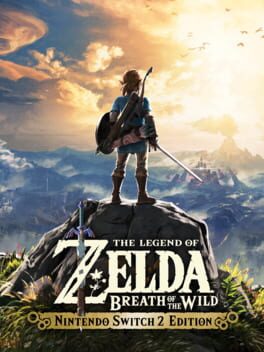
100The Legend of Zelda: Breath of the Wild - Nintendo Switch 2 Edition
 100
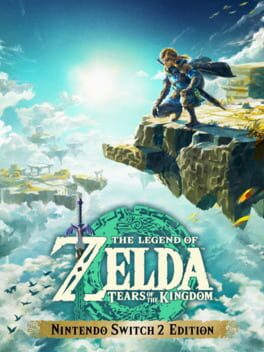
100The Legend of Zelda: Tears of the Kingdom - Nintendo Switch 2 Edition
 100
100Droplitz
 100
100Starquake
 100
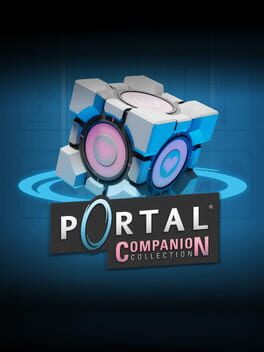
100Portal: Companion Collection
 100
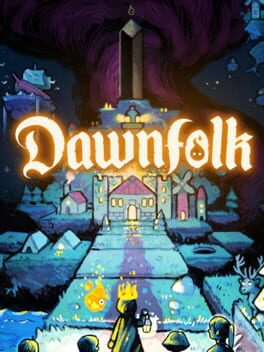
100Dawnfolk
 100
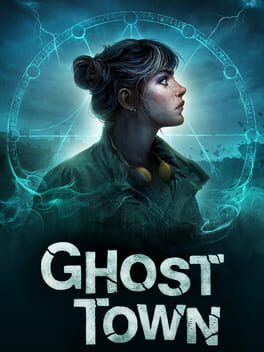
100Ghost Town
 98
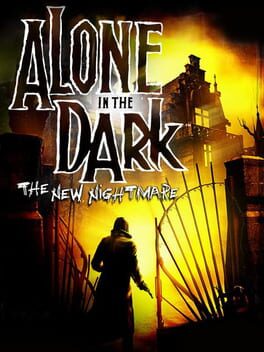
98Alone in the Dark: The New Nightmare
 98
98OneShot: World Machine Edition
 98
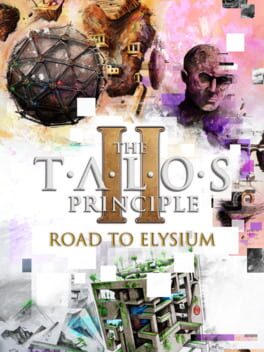
98The Talos Principle II: Road to Elysium
 96
96The Legend of Zelda: A Link to the Past
 96
96Polity
 96
96Mallow Drops
 95
95The Legend of Zelda: Breath of the Wild
 95
95Pac-Man: Championship Edition DX
 95
95Bad End Theater
 95
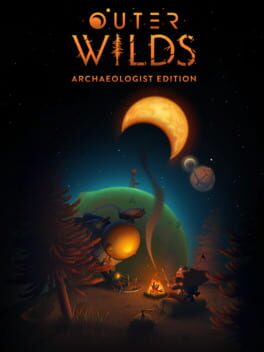
95Outer Wilds: Archaeologist Edition
 95
95LittleBigPlanet: Game of the Year Edition
 95
95Light in the Dark
 95
95Night Reverie
 95
95Ash of Gods: The Way
 95
95Subpar Pool
 94
94The Legend of Zelda: Tears of the Kingdom
 94
94Mystery Case Files: Dire Grove
 94
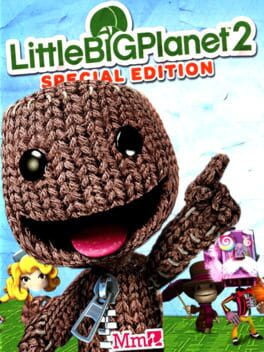
94LittleBigPlanet 2: Special Edition
 93
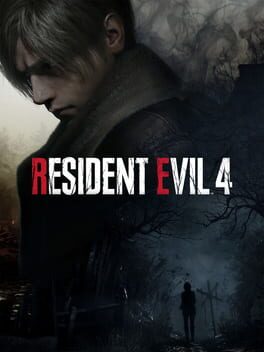
93Resident Evil 4
 93
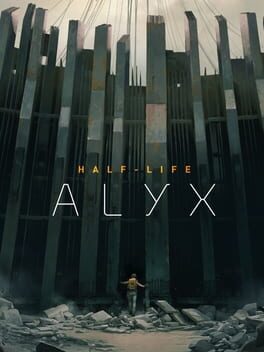
93Half-Life: Alyx
 93
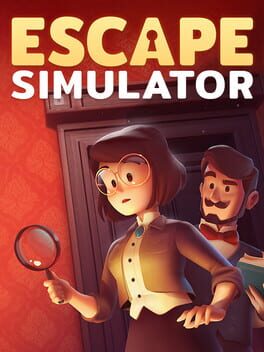
93Escape Simulator
 93
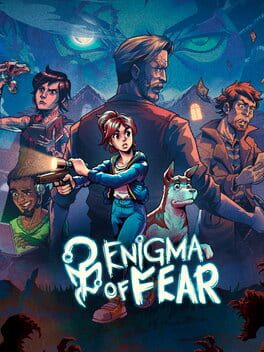
93Enigma of Fear
 93
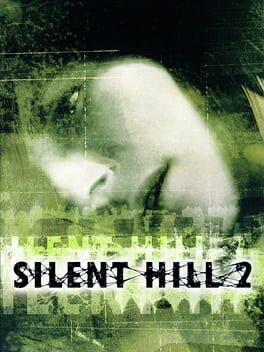
93Silent Hill 2
 93
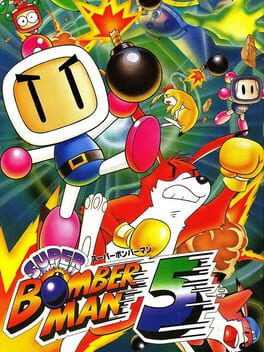
93Super Bomberman 5
 93
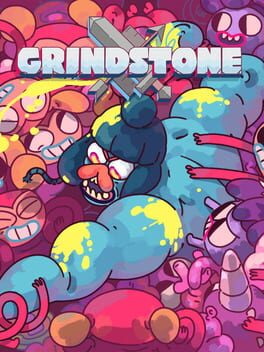
93Grindstone
 93
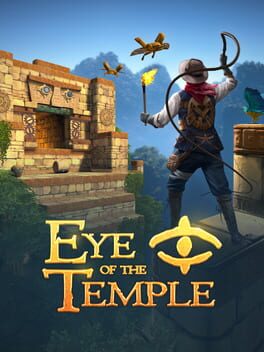
93Eye of the Temple
 92
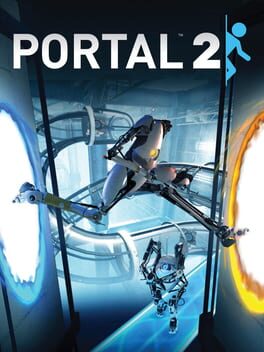
92Portal 2
 92
92The Legend of Zelda: Ocarina of Time
 92
92Return of the Obra Dinn
 92
92Metroid Prime: Trilogy
 92
92Phoenix Wright: Ace Attorney - Trials and Tribulations
 92
92Tetris DX
 92
92The Talos Principle: Deluxe Edition
 92
92Echochrome II
 92
92Hide The Corpse
 91
91Undertale
 91
91Silent Hill 2
 91
91The Legend of Zelda: Twilight Princess
 91
91The Binding of Isaac: Rebirth
 91
91The Legend of Zelda: Ocarina of Time 3D
 91
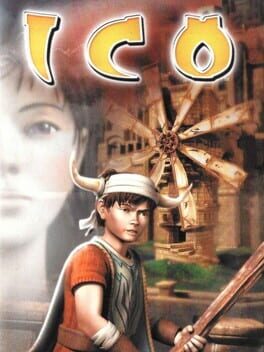
91Ico
What Separates Good Puzzles from Bad Ones
The worst puzzle game design is the moon logic puzzle: a sequence of actions that makes sense only in retrospect, if at all, where the solution requires guessing rather than reasoning. The best puzzle design gives you all the tools you need within the established rules, then asks you to use them in ways you haven't tried yet. Portal's achievement was teaching its spatial mechanics through early chambers that felt tutorial-gentle, then deploying those mechanics in chambers that felt genuinely difficult — but solvable, because the rules were consistent.
Baba Is You from Hempuli is a masterclass in this approach. The game's rules are written in its world as blocks; you can push those blocks to change how the game works. "Baba Is You" means you control Baba. Move the blocks so "Rock Is You" and now you control rocks. The depth of what emerges from this simple premise runs deep enough to confound experienced puzzle players for hours on puzzles that seem to have three blocks.
The Witness and Endurance Puzzle Design
Jonathan Blow's The Witness (2016) is one of the most discussed puzzle games ever made — partly for its design, partly for the discourse around whether it asks too much of the player. The island is filled with panels displaying line-trace puzzles, each area using different contextual rules that the player must infer without explicit instruction. The game never tells you what the rules are; you deduce them from examples.
The critical reception (87 Metacritic) reflected a genuine achievement in puzzle architecture. Players who complete the full game, including its environmental observations, describe an experience unlike any other in the genre. Players who bounce off the difficulty describe a game that withholds too much. Both assessments can be correct simultaneously — the design is ambitious enough to succeed and fail in proportion.
Return of the Obra Dinn: Deduction as Game
Return of the Obra Dinn from Lucas Pope (Papers, Please) is possibly the best mystery puzzle game ever made. You're an insurance investigator tasked with determining what happened to 60 crew members of a ship that returned to port empty. A device lets you see the final moment of any death. You must identify each person by name and determine how they died — and the game gives you no confirmation until you commit to a full group of correct answers.
The deduction mechanics — cross-referencing overheard names, visible faces, uniforms, accents, and location context across dozens of interconnected deaths — create a puzzle experience unlike anything else. The satisfaction of working out a difficult identification through indirect evidence compounds into one of the genre's most remarkable accomplishments. 94 Metacritic at release.
Blue Prince and the 2025 Puzzle Breakout
Blue Prince became one of the most discussed games of 2025 — a genre-defying roguelike puzzle game that earned the highest aggregated critical score of the year. Its combination of room-drafting mechanics, environmental mystery, and the particular satisfaction of understanding systems you initially found opaque put it in the conversation with the best puzzle games ever made. The game demonstrated that puzzle design combined with roguelike structure can create replayability that pure puzzle games historically struggle to achieve.
Patrick's Parabox and Recursive Design
Patrick's Parabox (2022) is a Sokoban-style puzzle game where boxes can contain other boxes and can be pushed inside each other recursively. The mechanic — pushing a box into itself or entering a box to push things from inside — creates puzzle complexity from a single idea that Patrick Traynor developed over years. The game's critical reception (92 Metacritic) placed it among the best puzzle games in recent memory and demonstrated that a developer working alone on a single concept for long enough can produce something that commercial puzzle game development rarely generates.
The Parabox design ethos — take one mechanic to its absolute logical conclusion — is shared by the best puzzle games. Portal's single portal mechanic. Baba Is You's rule manipulation. Talos Principle's Sigils and tetromino logic. The pattern is consistent: restraint in concept, depth in execution.
Myst's Legacy and Exploration Puzzle Design
Myst (1993) invented a tradition of puzzle games built around inhabiting a world and understanding it deeply enough to solve its puzzles. The game's influence is visible in everything from The Witness to Outer Wilds — the idea that a puzzle environment is worth exploring not just for its solutions but for what it reveals about the world it depicts. Outer Wilds (2019, 86 Metacritic) is perhaps the best modern successor to this tradition: a game where the puzzle is the entire solar system, and solving it requires understanding its history through careful exploration over hours of play.
Riven, Myst's 2024 full remake, demonstrated that the original design holds up when the environmental storytelling and puzzle logic are given modern visual treatment. The remake's critical and commercial reception showed that the audience for thoughtful, non-combat puzzle exploration remains active and underserved.
Puzzle Games as Time Investments vs Palate Cleansers
Puzzle games exist across the length spectrum more evenly than other genres. Some — The Witness, Outer Wilds, The Talos Principle 2 — demand 20-40 hour investments and reward the full commitment with experiences that wouldn't function in shorter form. Others — Patrick's Parabox, Stephen's Sausage Roll, A Monster's Expedition — can be finished in hours by dedicated players. Mobile puzzle games typically design for 5-minute sessions.
This range makes puzzle games unusually flexible for different contexts. Between longer open-world games, a focused puzzle title provides engagement without commitment to a new 60-hour campaign. Our puzzle games collection on pcforest.net covers both ends of this spectrum — sorting by rating surfaces the titles critics found most elegantly designed regardless of length, platform, or budget.