Racing Games
Racing games span an enormous range from the milisecond-precise physics simulation of Gran Turismo and iRacing to the cheerful chaos of Mario Kart — but all share the core appeal of speed, momentum, and the satisfaction of a clean racing line. The genre has never been healthier, with dedicated sim titles achieving new standards of realism while arcade racing found renewed creative energy through the Forza Horizon series and returning classics.
 100
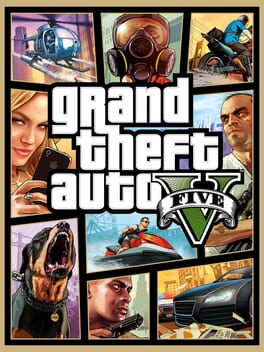
100Grand Theft Auto V
 100
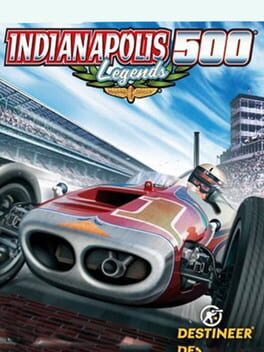
100Indianapolis 500 Legends
 100
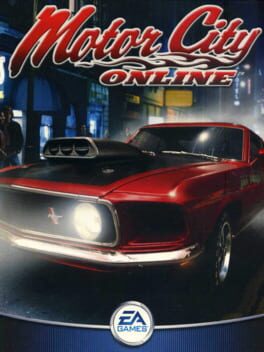
100Motor City Online
 99
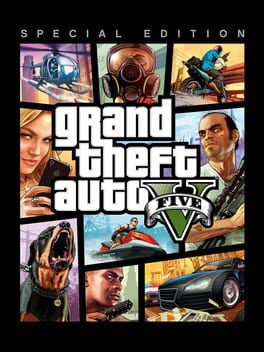
99Grand Theft Auto V: Special Edition
 99
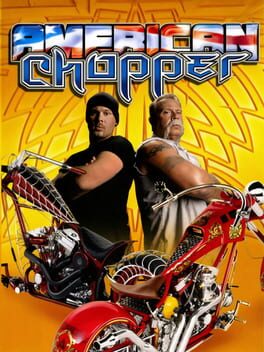
99American Chopper
 99
99San Andreas Multiplayer
 99
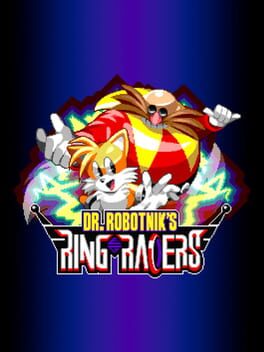
99Dr. Robotnik's Ring Racers
 99
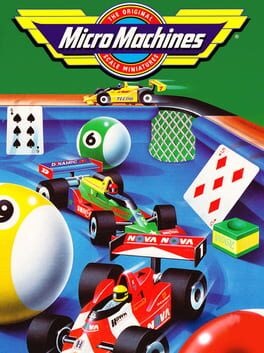
99Micro Machines
 98
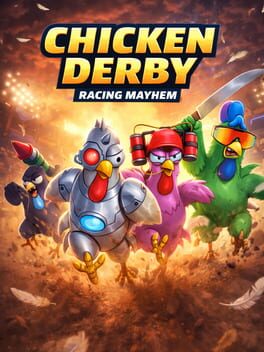
98Chicken Derby
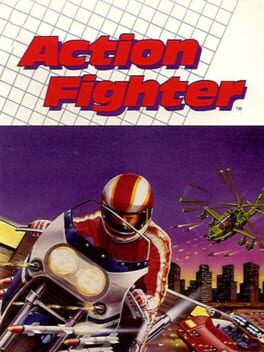 96
96Action Fighter
 96
96My Racing Career
 96
96FiveM
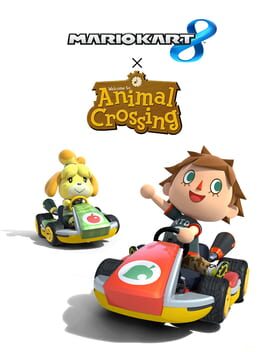 96
96Mario Kart 8: DLC Pack Two
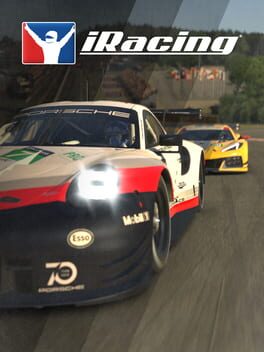 95
95iRacing
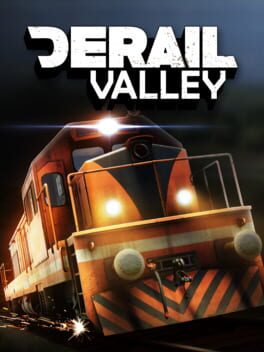 94
94Derail Valley
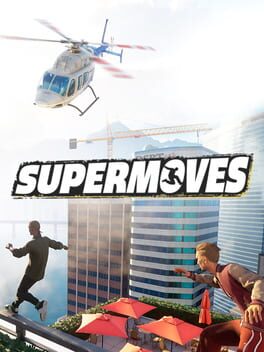 94
94Supermoves: World of Parkour
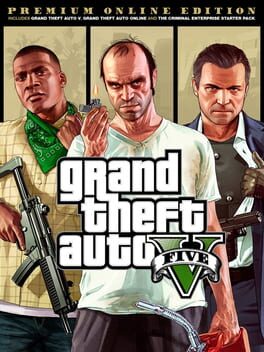 93
93Grand Theft Auto V: Premium Online Edition
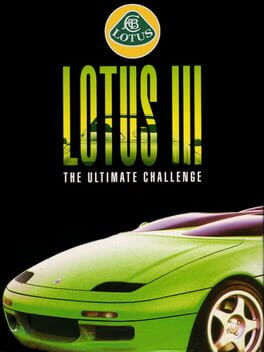 93
93Lotus III: The Ultimate Challenge
 93
93Sega Ages Virtua Racing
 93
93Chameleon Run: Deluxe Edition
 92
92Grand Theft Auto: San Andreas
 92
92Gran Turismo 3: A-Spec
 92
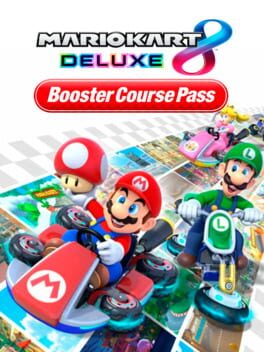
92Mario Kart 8 Deluxe: Booster Course Pass
 92
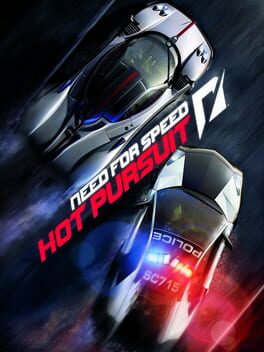
92Need for Speed: Hot Pursuit - Limited Edition
 91
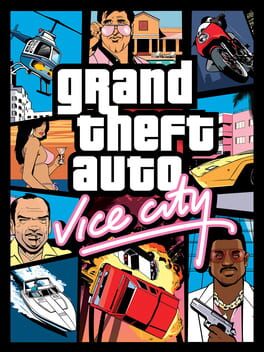
91Grand Theft Auto: Vice City
 90
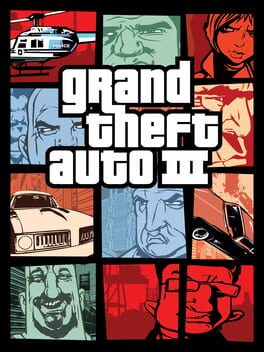
90Grand Theft Auto III
 90
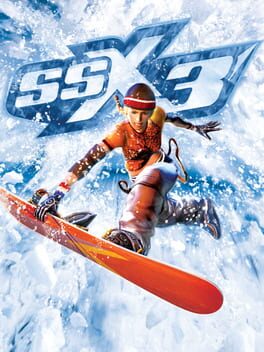
90SSX 3
 90
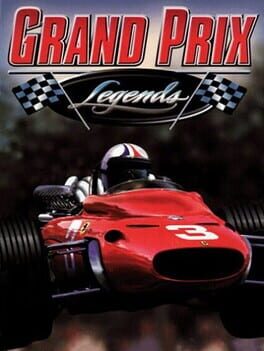
90Grand Prix Legends
 90
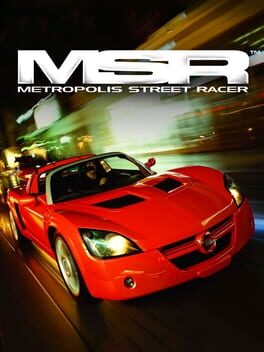
90Metropolis Street Racer
 90
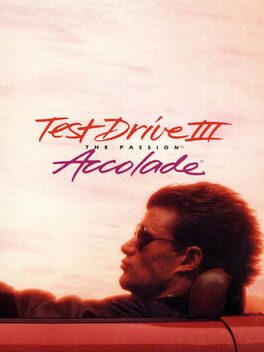
90Test Drive III: The Passion
 90
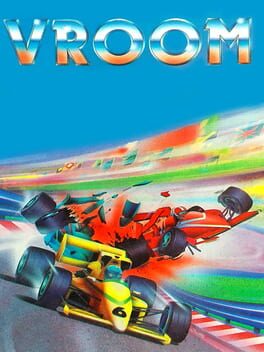
90Vroom
 90
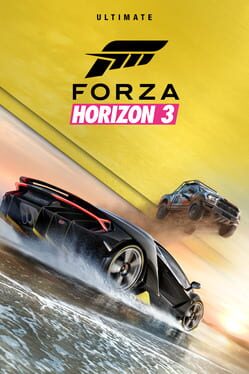
90Forza Horizon 3: Ultimate Edition
 90
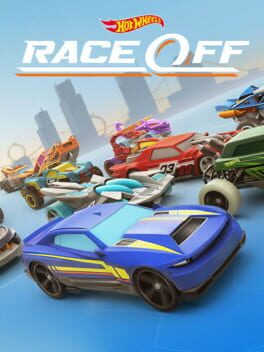
90Hot Wheels: Race Off
 90
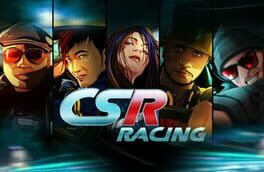
90CSR Racing
 90
90Crash of Cars
 90
90Gangstar Vegas
 90
90Chameleon Run
 90
90Granny Smith
 90
90Offroad Outlaws
 90
90CarX Drift Racing
 90
90CSR Racing 2
 90
90Dragon Hills
 90
90Sonic Runners Adventure
 90
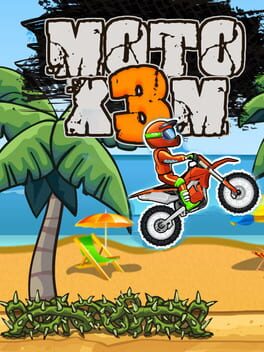
90Moto x3m
 90
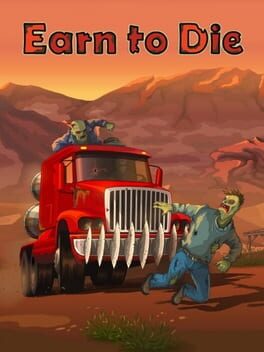
90Earn to Die HD
 90
90Trial Xtreme 4
 90
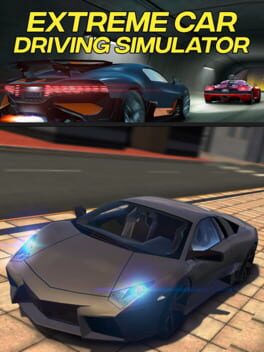
90Extreme Car Driving Simulator
 90
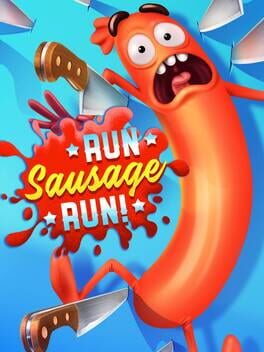
90Run Sausage Run!
Simulation Racing: The High-Fidelity End
Gran Turismo 7 is Sony's flagship racing simulation and arguably the most beautiful automotive game ever made. Its reverence for car culture — the meticulous modelling of hundreds of licensed vehicles, the curated music, the photography mode used by actual automotive publications — extends beyond pure racing simulation into something closer to an interactive car museum. The racing itself, especially with a wheel setup, rewards learning real driving techniques: trail braking, weight transfer, threshold braking.
iRacing is the de facto home of serious online racing simulation. Membership-model pricing keeps casual players out, but the payoff is racing against people who are genuinely practicing, studying, and competing seriously. The simulation accuracy — track scans from real circuits, real tyre models, real aerodynamics — makes it the platform of choice for professional drivers' off-season training and sim racing leagues with actual prize money.
Assetto Corsa Competizione from Kunos Simulazioni built its simulation around the Blancpain GT series licence, providing hyper-accurate GT3 car handling alongside real-world circuits. The physics model handles edge cases — kerb strikes, tyre temperature, fuel load — with a precision that casual players never notice but serious sim racers feel constantly.
The Forza Horizon Model: Accessible Excellence
Playground Games' Forza Horizon series has redefined what accessible racing can look like. Forza Horizon 5, set in Mexico, received near-universal critical acclaim for its open world design, vehicle roster, and moment-to-moment feel. The game makes the fantasy of driving extraordinary cars through beautiful landscapes immediately achievable, with assistance options that scale to let any skill level enjoy the experience.
The Horizon model — open world, seasonal content, community challenges, a mix of road, off-road, and street racing — has become the template that other arcade open-world racers aspire toward. The problem for competitors is that Playground has been iterating on this template since 2012 with significant budget and engine investment, making it difficult to close the gap quickly.
Need for Speed: A Legacy Under Reconstruction
Need for Speed is racing gaming's most recognised consumer brand outside of Gran Turismo and Mario Kart, but the series has had a difficult decade. Various EA-published entries have struggled to find consistent critical footing. The series represents the best example of a racing franchise with brand equity and heritage looking for its next creative direction — an ongoing story worth following for players who grew up with Hot Pursuit or Underground.
Mario Kart: The Social Racing Standard
Mario Kart 8 Deluxe remains one of the best-selling Switch games ever, demonstrating the staying power of Nintendo's approach to racing: remove the technical barriers, add rubber-band mechanics, and design courses that create memorable moments rather than test pure skill. The 48 additional courses released through the Booster Course Pass extended the game's value considerably and introduced Mario Kart to a new generation of Switch players.
Gran Turismo 7's Long Game
Gran Turismo 7, released in 2022 and still receiving content updates in 2026, has become the most comprehensive entry in Sony's flagship racing series. The Café mode — a structured way to experience the car history and culture embedded in the game — gave GT7 a narrative frame that previous entries lacked, making it accessible to players who find pure racing simulation intimidating. The photomode, used by automotive publications and enthusiasts for work published outside the game, demonstrates the quality of the vehicle modelling.
The controversy around GT7's live service mechanics — a post-launch update that reduced in-game credit rates to incentivise microtransactions — produced one of the sharpest user review drops in PlayStation history. Polyphony Digital subsequently adjusted the economy, but the episode illustrated the tension in simulation racing games between preserving the fantasy of owning legendary vehicles and extracting revenue from that fantasy.
WRC and Rally Racing's Digital Representation
EA Sports WRC, released in 2023 by Codemasters, brought the officially licensed World Rally Championship to a new generation following the expiry of Nacon's WRC licence. The game's Unreal Engine 5 implementation produced the most visually accurate rally stages the series has seen, and the physics model built on Codemasters' Dirt Rally 2.0 heritage was praised for feel and challenge. Rally racing — driving on loose surfaces at speed with pace note navigation — has a devoted simulation community that scrutinises these games closely, and EA Sports WRC satisfied the technical audience while remaining approachable for newcomers.
Indie and Niche Racing
Art of Rally brought its distinctive minimalist top-down aesthetic to rally racing and received strong critical appreciation for demonstrating that the genre's appeal doesn't require realistic graphics. Lonely Mountains: Downhill took the racing format to mountain biking from a top-down perspective with a meditative quality unlike any other racing game. The indie racing space demonstrates that the fundamental appeal — going fast and feeling good about it — can be expressed with a fraction of AAA production budget when the core mechanics are designed with care.
Our racing games collection on pcforest.net covers the full spectrum from sim racers to celebrated arcade titles — sorted by rating to surface what critics found most successful regardless of how realistic the physics are or how large the production budget was.