Simulation Games
Simulation games model real or imagined systems with enough fidelity that the act of operating them becomes compelling in itself. Whether you're planning urban transit networks, managing a medieval hospital, flying long-haul commercial routes, or building a farm from scratch, simulation games reward patience, systems thinking, and the particular satisfaction of watching something you built run smoothly.
 100
100Oxide: Survival Island
 100
100Trainz Railroad Simulator 2004
 100
100Arcade Spirits: The New Challengers
 100
100Planet Zoo: Aquatic Pack
 99
99Anstoss 3
 99
99Terraria: Calamity Mod
 97
97Lurkers
 97
97Voices of the Void
 97
97Dig Island
 96
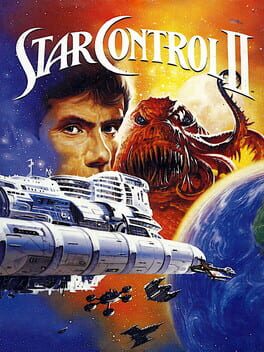
96Star Control II
 96
96My Racing Career
 96
96Beast Battle Simulator
 96
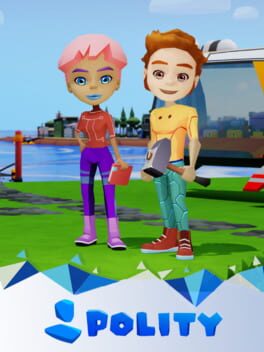
96Polity
 96
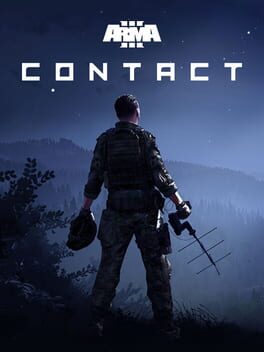
96Arma 3: Contact
 96
96Pinball M
 95
95iRacing
 95
95Bad End Theater
 95
95NFUT Cards
 95
95My Grandfather's Farm
 95
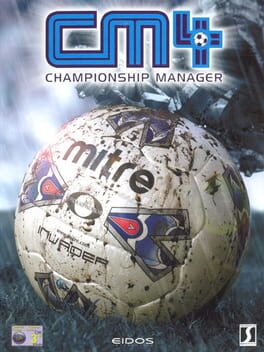
95Championship Manager 4
 95
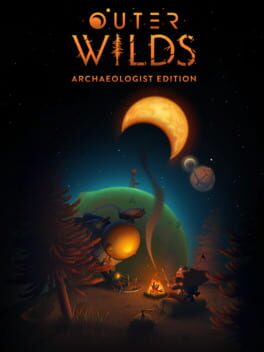
95Outer Wilds: Archaeologist Edition
 95
95tModLoader
 95
95Out of the Park Baseball 15
 95
95Crusader Kings II: The Reaper's Due
 95
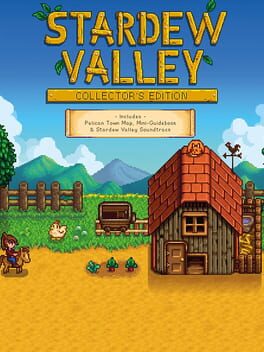
95Stardew Valley: Collector's Edition
 95
95Jack Jeanne
 95
95Henchman Story
 95
95Subpar Pool
 95
95Maestro
 94
94SOCOM II: U.S. Navy SEALs
 94
94A Twisted Path To Renown
 94
94Kindred Spirits on the Roof
 94
94Doodle Date
 94
94Derail Valley
 94
94Discounty
 94
94Tropico 4: Modern Times
 93
93Escape Simulator
 93
93Town Star
 93
93Neko Atsume: Kitty Collector
 93
93Pokémon Pokopia
 93
93Space Station 13
 93
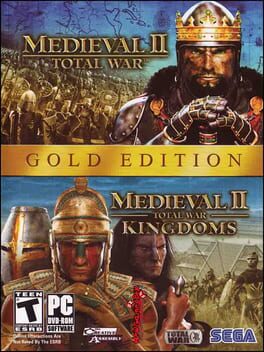
93Medieval II: Total War - Gold Edition
 93
93Slime Rancher: Plortable Edition
 93
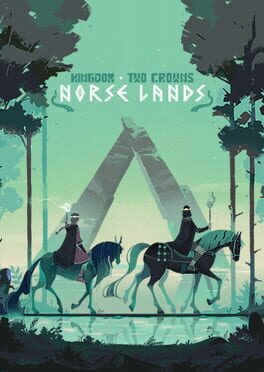
93Kingdom Two Crowns: Norse Lands
 93
93Palia: The Elderwood
 93
93KORG Gadget
 92
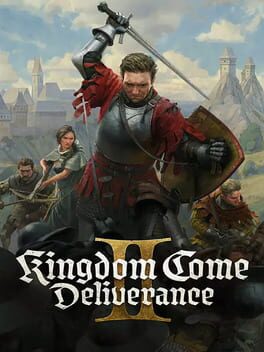
92Kingdom Come: Deliverance II
 92
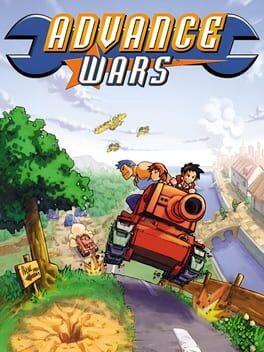
92Advance Wars
Vehicle Simulations: When the Machine Is the Point
Microsoft Flight Simulator remains the most technically ambitious consumer simulation ever created, streaming real-world satellite and mapping data to generate a 1:1 scale planet Earth that can be flown over in real time. The 2024 update, Flight Simulator 2024, expanded the career and activities systems to give solo players structured goals alongside the existing free-flight sandbox. The simulation has become the reference point for how real a consumer game can feel — a kind of threshold that other vehicle sims aspire toward.
Euro Truck Simulator 2 sits at the opposite end of the prestige spectrum but has maintained an active playerbase for years through consistent map expansions covering Europe in extraordinary detail. The appeal is harder to explain to someone who hasn't played it: the rhythm of long-distance driving, radio, and landscape becomes genuinely meditative. American Truck Simulator extends the formula to US roads with the same careful approach.
Assetto Corsa Competizione and iRacing serve the serious racing simulation audience with real track data, accurate tyre physics, and online competition that mirrors real-world motorsport categories. The entry barrier for getting the most from these is significant — a direct-drive wheel and pedal setup and some patience for learning real racing lines — but the ceiling of simulation fidelity they reach isn't available anywhere else.
Management Simulations: Systems You Control
Cities: Skylines changed what players expected from city-building simulators in 2015 by modelling traffic with genuine complexity — a city that looks fine visually can be dysfunctional because of road intersection design. The sequel, Cities: Skylines II, arrived to a rougher critical reception than its predecessor due to performance issues at launch, but continued development has addressed many concerns.
Planet Coaster 2 (2024) refined the theme park management formula with expanded water park mechanics and improved park simulation depth. Two Point Hospital and Two Point Campus demonstrate that British management game design — satirical, accessible, deep enough to reward expertise — has a natural successor studio after the Bullfrog era. Football Manager 2026, in the running for the most data-rich simulation in consumer gaming, models thousands of real players and coaches with statistics that have become reference points for actual football analytics discussions.
Life and Farm Simulations
Stardew Valley — created by a single developer over four years — remains one of the most played and highest-rated life/farming simulations ever made. Its combination of farm management, relationships, town rebuilding, and dungeon exploration in a pixel-art wrapper has proven almost universally accessible while retaining enough depth to support hundreds of hours across multiple playthroughs. ConcernedApe's post-launch updates have added substantial content for free, extending the game's lifespan well beyond its original scope.
Sun Haven, Coral Island, and various other farm-sim successors have found substantial audiences, but none has matched Stardew's specific combination of systems and tone. The format clearly has audience appetite beyond a single game; the challenge is executing it at Stardew's standard.
Cities: Skylines and the Traffic Problem
Cities: Skylines succeeded in 2015 by identifying the single most interesting failure mode of city-building simulations: traffic. Previous city builders modelled traffic abstractly; Skylines simulated individual vehicles finding paths through the road network using real pathfinding algorithms. A city that looks prosperous can be dysfunctional because of a bottleneck intersection, and fixing it requires understanding how traffic distributes through a network — real urban planning knowledge, translated into a game system.
This design decision made Skylines a game that rewards learning real things. Players who understood traffic engineering built better cities. YouTube tutorials covering roundabout design, highway on-ramp flow, and bus rapid transit found audiences of hundreds of thousands of players who wanted the knowledge to play the game better.
Cities: Skylines II (2023) launched to disappointing performance and received criticism for technical issues. Extended post-launch development has improved the game substantially, and for players coming to it in 2026, the current state is a meaningful improvement over the launch version.
The Dwarf Fortress Tier
At the simulation extreme, Dwarf Fortress models underground fortress management with a depth that defies easy description. Its tileset Steam version (released 2022, developed with artist Marigold Bartlett) brought a graphical interface to a game previously played entirely in ASCII characters, making its extraordinary simulation systems accessible to a new audience. Individual dwarf psychology, geological layer simulation, fluid dynamics, historical world generation — the systems produce stories no designer scripted and no other game generates.
The game sold over 500,000 copies in its first week on Steam, demonstrating that 20 years of development toward an extraordinarily deep simulation had built an audience that was simply waiting for a more approachable interface. The premium price (around £25) for a game that had been free for two decades was accepted without meaningful resistance by players who understood what they were getting.
Why Simulation Games Hold Audiences
Simulation games hold players longer than almost any other genre because the goals are self-imposed and the systems keep generating new situations. A city builder doesn't end when you've solved traffic — it ends when you decide you're satisfied, which many players never do. Our simulation games collection on pcforest.net is sorted by rating, surfacing the titles that critics found most successful at turning systems depth into genuinely engaging play across the broadest possible range of the genre.